 Medicare Ajándékkártya
Egyéni termék
Egyéni egészségbiztosítási csomagok
6 féle csomag egyedileg összeállított tartalommal
Teljes körű online szerződéskötés és ügyintézés
Már akár 15 280 Ft/hó-tól
Személyre szabott prevenciós szűrés
Egyéni szűrési csomagok
- Életkorhoz, nemhez és egyéni kockázathoz igazodó
- Akár saját szűrési csomag összeállítása
- Ajánlott kiegészítő szolgáltatások
Szülészet
Prémium szülészeti ellátás
- Komplex ellátás a várandósgondozástól kezdve
- 3 féle szülési csomag
- Interaktív nyílt napok
Piacvezető magánegészségügyPortfolio, 2026
Magyarország vezető
magánegészségügyi hálózata.
Szakrendelések, műtétek, laborvizsgálatok, diagnosztika, szülészet, fogászat, optika, esztétika, fitness és egészségbiztosítás egy helyen - prémium ellátás, várakozás nélkül.

Szakértelem
Összes szolgáltatás Szolgáltatásaink
A Medicare (korábban Medicover) egészségbiztosító és magánegészségügyi szolgáltató. Első rendelőjét 1998-ban nyitotta meg Budapesten; a magyar magánegészségügyi piacon az elsők között indította el az átalánydíjas kártyás szolgáltatást, majd 2003-tól egészségbiztosítási csomagjait.
Budapesten három helyszínen – az Eiffel téren, az Alkotás Pointban és a Vision Towersben –, valamint országos klinikai hálózatában és több száz szerződött partnerén keresztül érhető el. Szolgáltatásai között szerepel a járóbeteg-szakellátás több mint 40 szakágban, a fekvőbeteg-ellátás és műtétek, a fejlett diagnosztika, a laborvizsgálatok, a fogászat, a szülészet, a foglalkozás-egészségügy, valamint a vállalati és egyéni egészségbiztosítási csomagok és a Life1 Fitness hálózat.
Find out more
Search
Nem mindig könnyű eligazodni a tünetekben, és sokszor az sem egyértelmű, melyik szakterületen érdemes orvoshoz fordulni. Keresőnkben ábécé szerint böngészhet, vagy kulcsszóra kereshet – és azonnal látja, melyik Medicare klinikánkon, melyik specialistánál kaphat megfelelő ellátást.
Budapesti klinikáink
Klinikáink térképeA Medicare Csoport Budapesten 3 járóbeteg-klinikán és 1 kórházon (Alkotás, Eiffel, Arena Corner, Vision Towers) fogad pácienseket, vidéken pedig 9 városban működnek saját rendelők. Hálózatunkhoz 400 szerződött partner tartozik. Több mint 1 300 vállalat bízza ránk munkavállalói egészségügyi ellátását – ez Magyarország egyik legnagyobb vállalati egészségbiztosítási programja. Közel 500 fős szakorvosi és egészségügyi csapatunk évente több százezer vizsgálatot és beavatkozást végez. Minden helyszínen magas minőségi standardot alkalmazunk képzett specialistákkal és modern diagnosztikai eszközökkel. A laborvizsgálatok eredményei a legtöbb esetben 1–2 napon belül, online is elérhetők.
Budapest

Budapest
Medicare Alkotás Klinika
32 szakág, labor és diagnosztika egy helyen — 1123 Budapest, Alkotás utca 50.
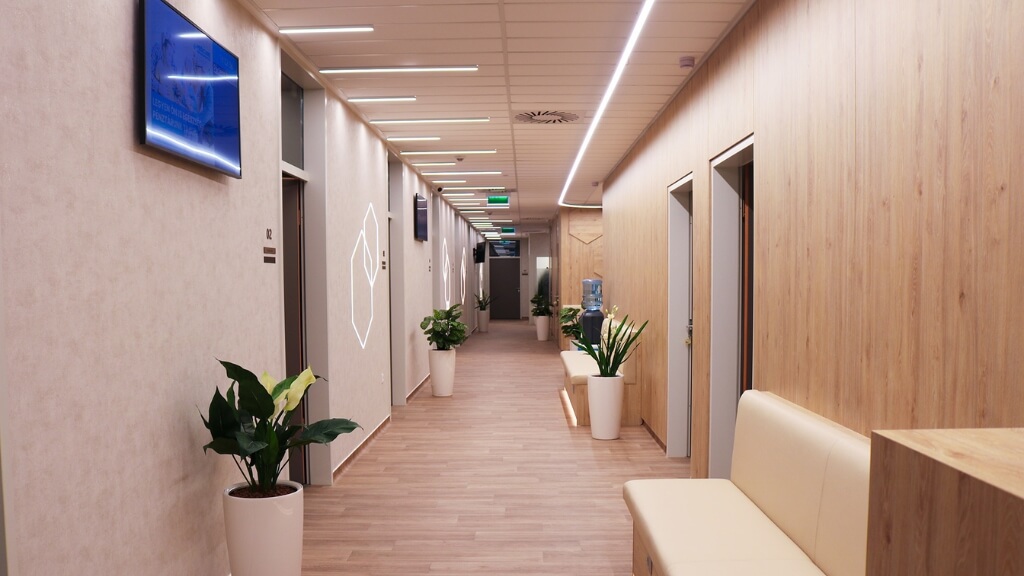
Budapest
Medicare Arena Corner Klinika
20 szakág, labor és diagnosztika — 1087 Budapest, Hungária krt. 40-44.
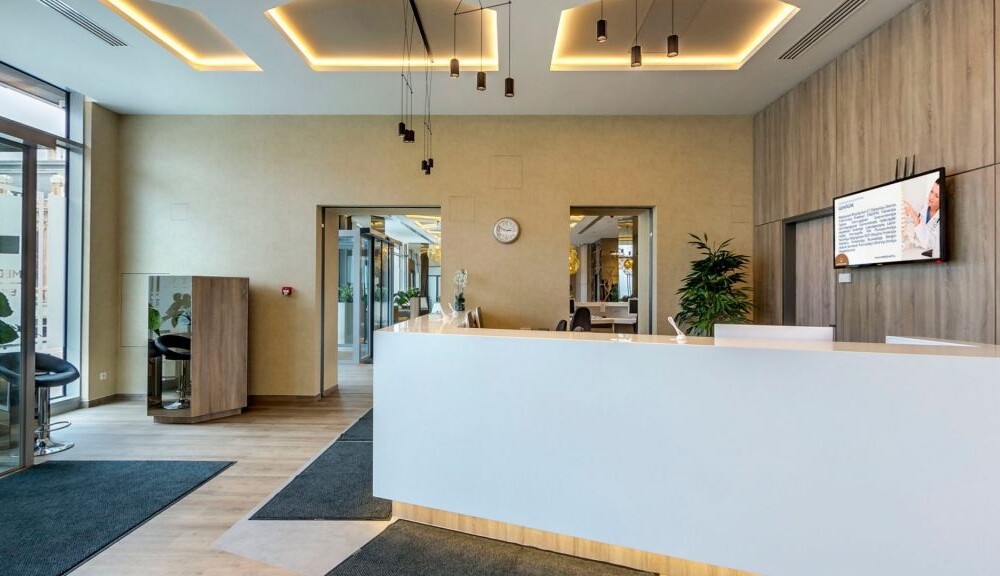
Budapest
Medicare Eiffel Klinika, Fejlett Diagnosztikai Központ és Fogászat
40 szakág, diagnosztika, fogászat — 1062 Budapest, Teréz krt. 55-57.
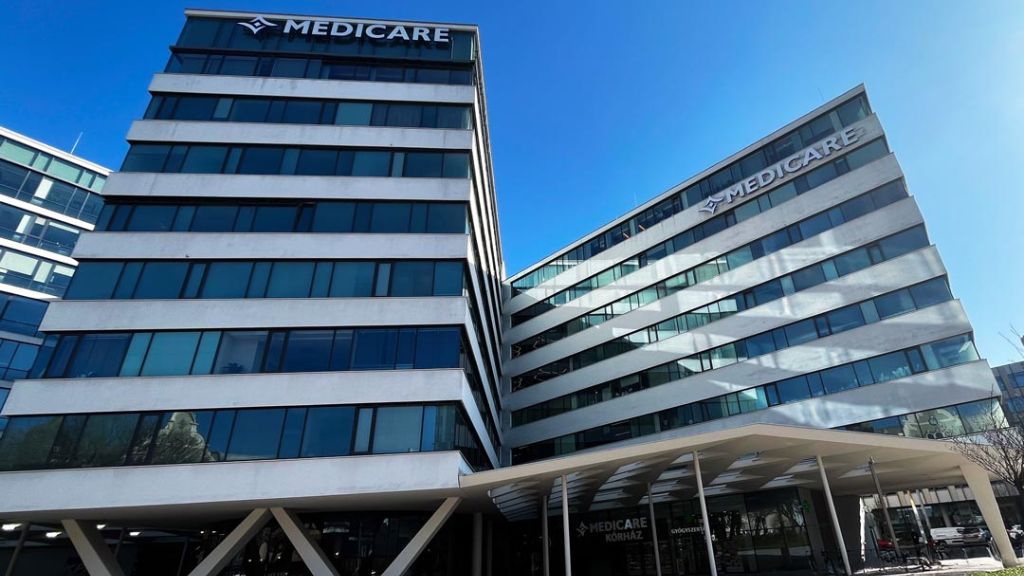
Budapest
Medicare Klinika, Kórház és Fejlett Diagnosztikai Központ
25 szakág, kórház, diagnosztika — 1134 Budapest, Váci út 29-31.
Outside Budapest

Debrecen
Medicare Klinika Debrecen
24 szakág, labor és diagnosztika — 4026 Debrecen, Hunyadi János u. 22.
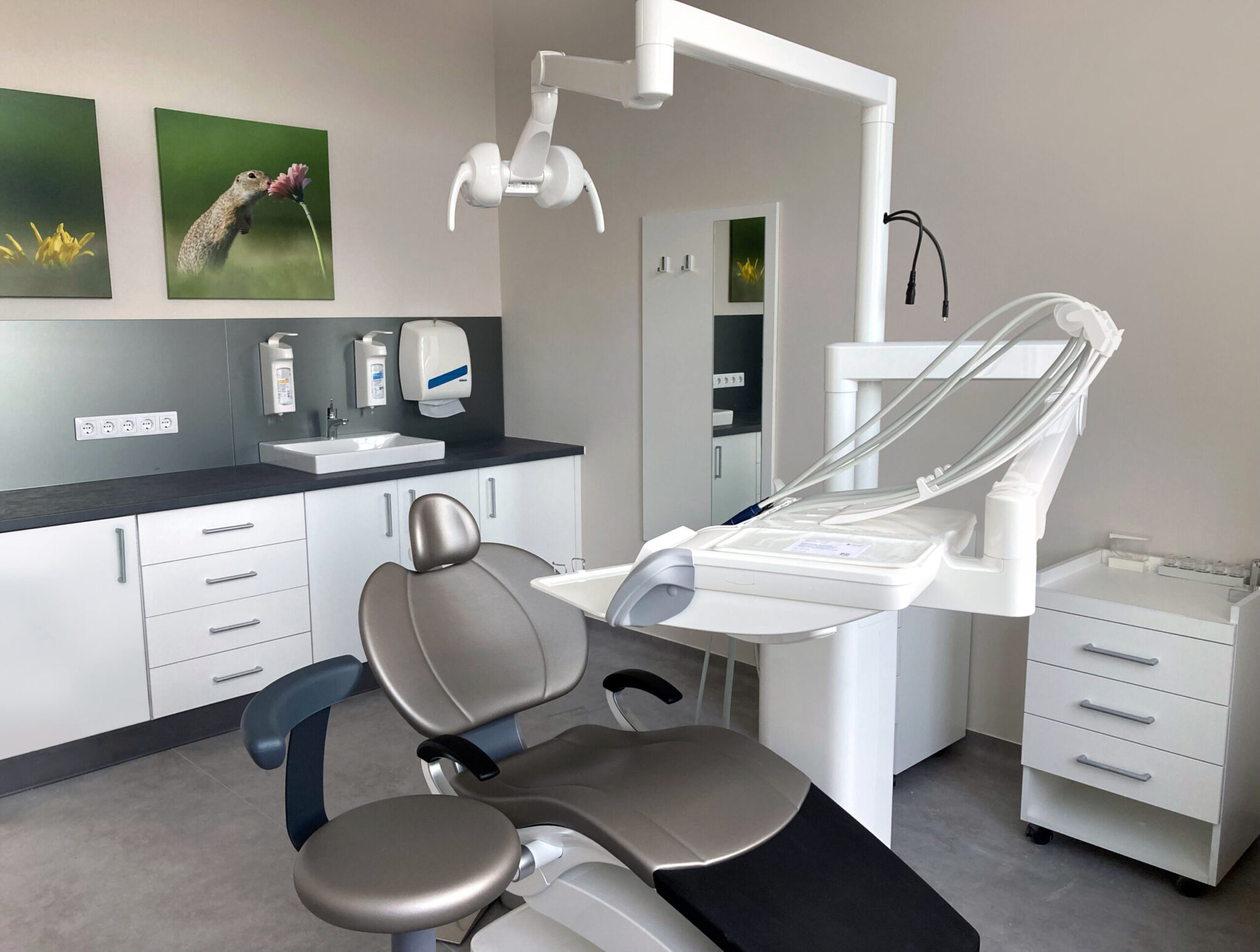
Győr
Medicare Klinika és Fogászat Győr
23 szakág, klinika és fogászat — 9024 Győr, Hunyadi J. utca 14.

Miskolc
Medicare Klinika és Fogászat Miskolc
25 szakág, klinika és fogászat — 3530 Miskolc, Mindszent tér 3.
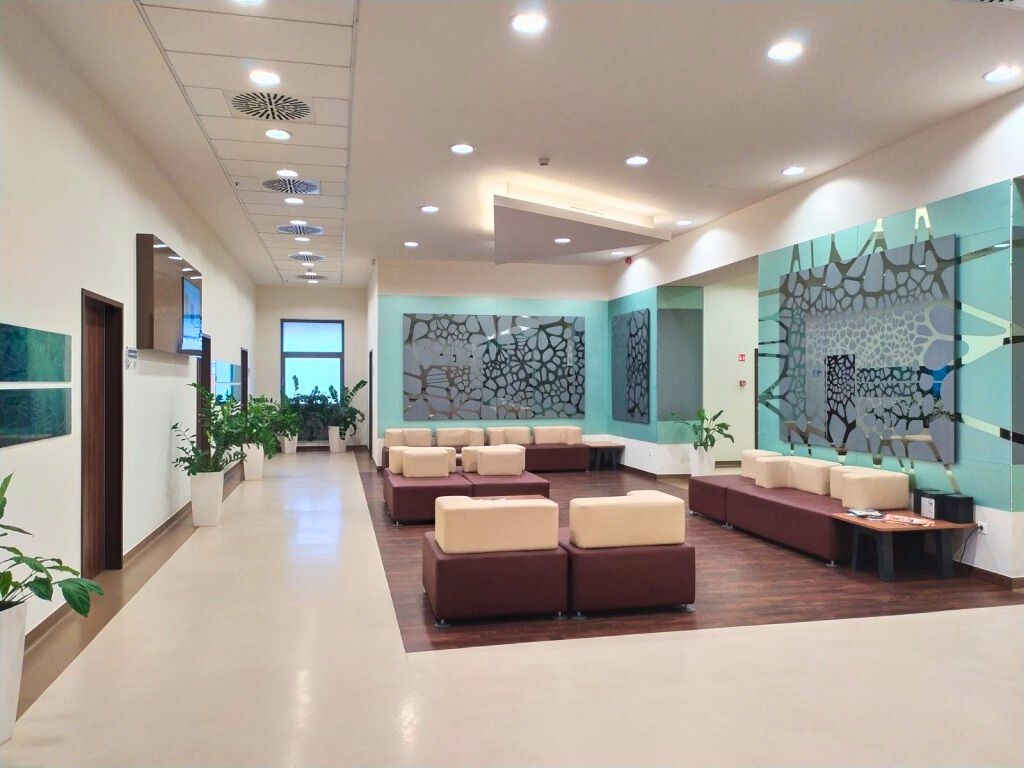
Paks
Medicare Klinika Paks
17 szakág, labor és diagnosztika — 7030 Paks, Tolnai utca 2.
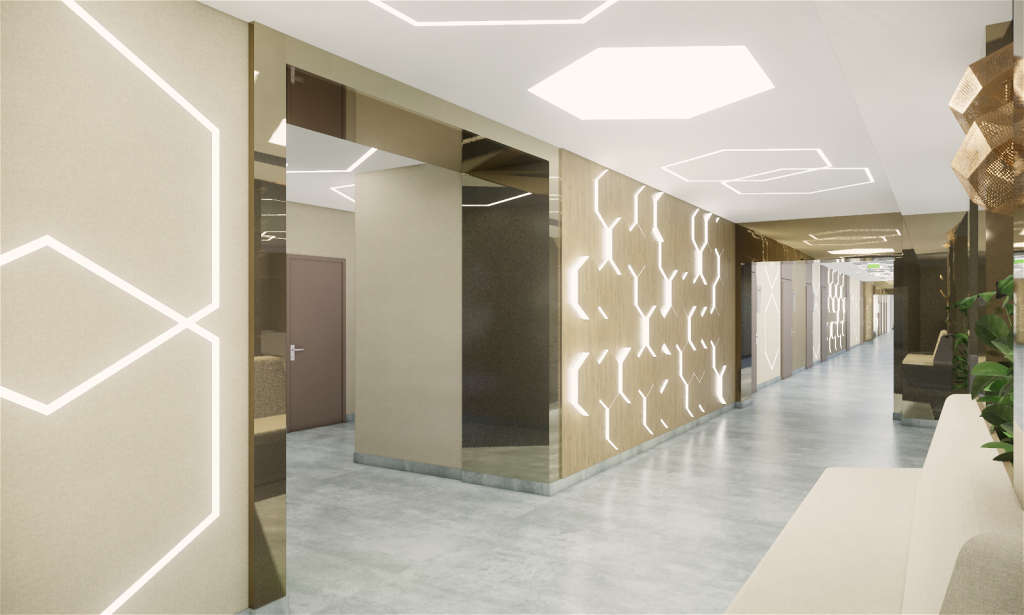
Pécs
Medicare Klinika és Fogászat Pécs
25 szakág, klinika és fogászat — 7621 Pécs, Munkácsy Mihály u. 15.

Szeged
Medicare Klinika és Fogászat Szeged
22 szakág, klinika és fogászat — 6723 Szeged, Felső Tisza-Part 25.

Székesfehérvár
Medicare Klinika és Fogászat Székesfehérvár
21 szakág, klinika és fogászat — 8000 Székesfehérvár, Huszár utca 5.
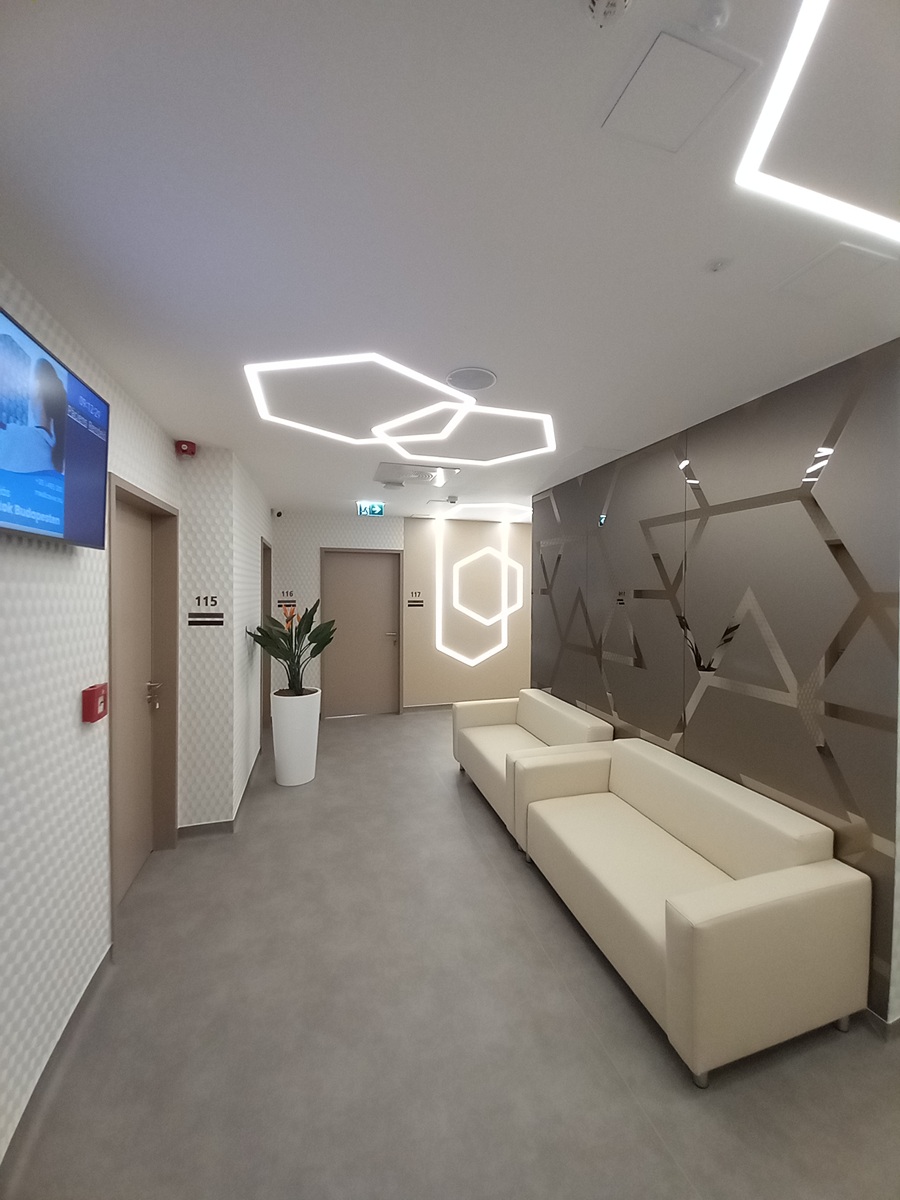
Tatabánya
Medicare Klinika és Fogászat Tatabánya
Szakorvosi ellátás, labor és fogászat — 2800 Tatabánya, Fő tér 8.
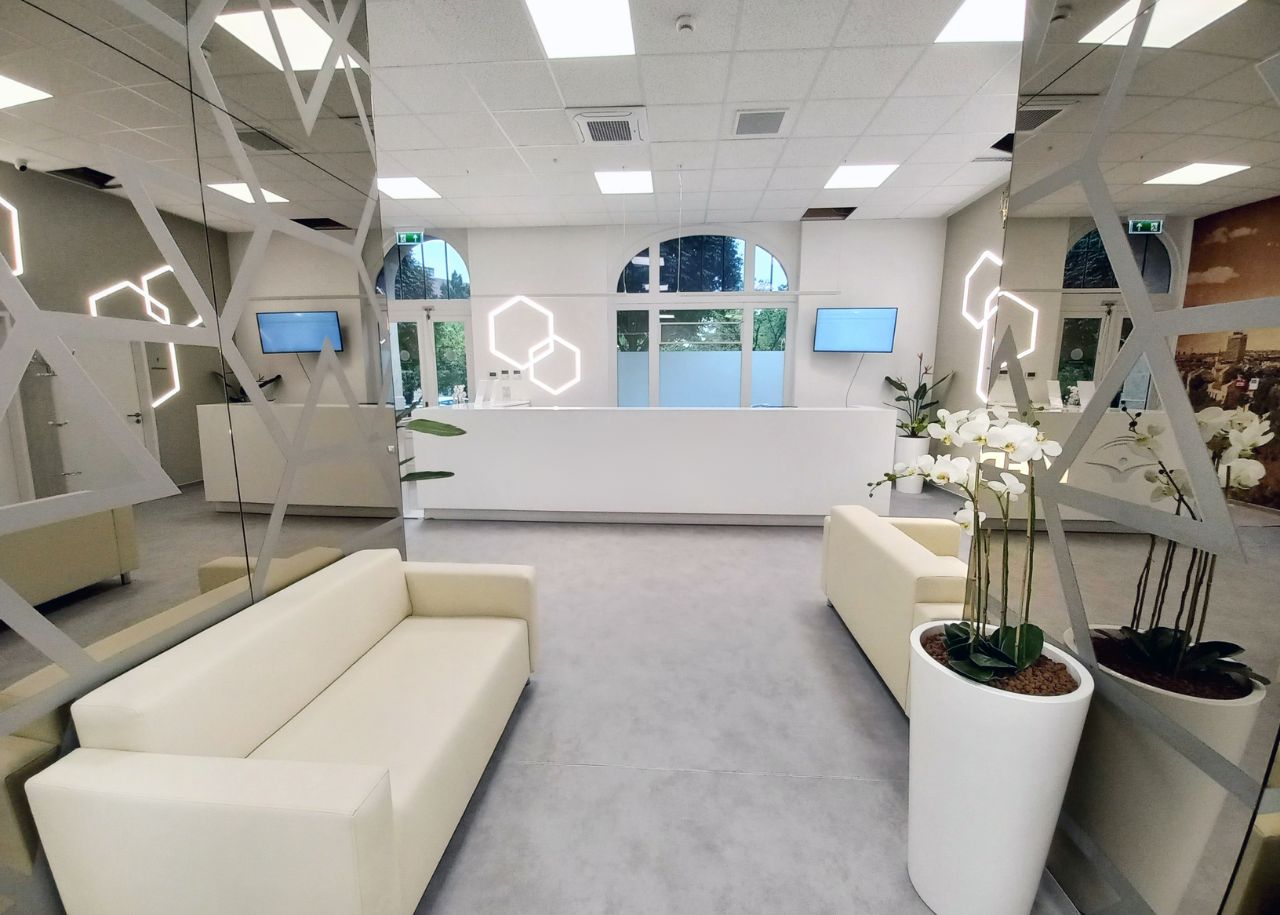
Veszprém
Medicare Klinika és Fogászat Veszprém
Szakorvosi ellátás, klinika és fogászat — 8200 Veszprém, Óváros tér 22.
Kedvezmények
Összes ajánlat Aktuális ajánlataink
Hasznos információk
Gyakran Ismételt Kérdések
Hand carpal tunnel syndrome surgery, Carpalis tunnel release surgery
Tunnel syndrome surgery, or carpal tunnel release surgery, is an intervention used to treat carpal tunnel syndrome, during which the palm ligament that forms the cover of the “tunnel” is cut through, releasing the nervus medianus from the pressure of the swollen nerves.
What is tunnel syndrome?
Tunnel syndrome is a condition in which the nerves in the holes (“tunnels”) formed by the muscles, ligaments and bones of the body are pressurized, causing numbness or pain in the affected limb.
It can form in the elbow, around the brachial plexus that provides innervation to the arm, in the groin, below the knee, on the dorsum pedis, and most often around the wrist.
Our colleagues are happy to answer every question!
Send us a message!
Our colleagues are happy to answer every question!
Send a message!
How does it develop?
We talk about tunnel syndrome when, for some reason, a narrowing develops next to the descending nerve, which puts pressure on it. Narrowing can also be caused by injury, fracture, inflammation, bone growth, haematoma, tumour, bone or joint developmental disorder.
Swelling of the tendons surrounding the nerve can be caused by several reasons. Some diseases have a much higher risk of developing tunnel syndrome: for example, they may be associated with changes in hormonal balance (hormone-related illnesses, during pregnancy, and with aging) and autoimmune (e.g. diabetes) or other systemic rheumatological diseases.
Most often, a strong, long-term strain can also be the cause of the disease.
It typically affects pregnant and menopausal women, men who are climaxing, and older rheumatic patients.
What are the symptoms of carpal tunnel syndrome?One of the most common tunnel syndromes is carpal tunnel syndrome at the base of the palm.The tendons between the bones of the wrist (carpus), which run in a narrow, tunnel-like hole, swell due to overload or some other reason, squeezing the nerve called the median nerve below them. The nerve medianus, the nerve leading from the cervical spine to the wrist through the shoulder and elbow, which provides innervation for the flexor muscles of the forearm and several hand muscles.
As a result, numbness occurs in the areas covered by this nerve, in the thumb, index, and middle fingers, at first only intermittently, during the day and then at night, and finally this numbness becomes permanent. Increasingly sharp pain, sensory disturbances, tactile numbness occur, and are accompanied by the weakening of the fingers and palms.
The wrist is usually swollen, pressure sensitive, and the pain increases as you move it, especially when you bend it back, often radiating to the forearm and shoulders and neck.
In the advanced state of the disease, due to the pressure on the nerve, the muscles of the palm begin to atrophy, and their grip strength weakens.
It usually develops in the more used, dominant hand.
How is carpal tunnel syndrome diagnosed?The diagnosis of tunnel syndrome is usually made by an orthopaedic specialist. If there is a suspicion of carpal tunnel syndrome with knowledge of the complaints and medical history, the specialist will perform a specific physical examination to support the diagnosis. If bending the wrist in 90° for a minute or two causes complaints, and when hitting the carpal tunnel, there is an electrifying sensation along the course of the nerve.Since tunnel syndromes, such as carpal tunnel syndrome, have similar symptoms as other lesions (e.g. disc herniation, circulatory system diseases), in addition to a physical examination, a special examination, the so-called ENG (electroneurographic) examination is also required. This test measures how fast the peripheral nerves carry the stimulus. The ability of the compressed nerve to conduct stimuli is significantly reduced.
To establish the diagnosis, a neural ultrasound examination may be necessary, as well as an X-ray examination is recommended, which shows the possible bone structure abnormalities and fractures that can lie behind the symptoms.
How to treat carpal tunnel syndrome?Carpal tunnel syndrome is first treated in a conservative (non-surgical) way. Relieving the hand, stretching the wrist in an extended position at night can reduce swelling within the canal, leaving more space for the nerve. In more severe cases, taking non-steroidal anti-inflammatory drugs in addition, or drugs administered into the carpal tunnel, may also reduce intra-canal swelling.Surgical treatment of the syndrome by a hand surgeon is also available. Surgery provides the fastest and most effective treatment.When is surgery warranted?If conservative treatment is not successful or there is a more than moderate decrease in nerve conduction velocity, a surgical solution is recommended.
What happens during surgery?During the preoperative consultation our orthopaedist will provide detailed information about the necessary tests before surgery, as well as the course of the surgery and its risks.The release of the carpal tunnel takes place as part of a one-day surgical procedure.After surgical preparation, the limb is anesthetized locally. During carpal tunnel release surgery, the pressure on the nerve is relieved by cutting through the palm ligament that forms the top of the canal. During the procedure, the inflammatory tissue proliferation surrounding the tendons is also removed, and the resulting wound is sutured with a few stitches.The surgery takes only 20 minutes.
What are the dangers of surgery?As with any medical intervention, the release of the carpal tunnel can have dangers and complications. Very rarely, inflammation and infection of the surgical site, as well as damage to the surrounding anatomical formulas: tendons, muscles, blood vessels, and the median nerve itself, can occur. In such cases, medication may be required in milder cases and repeated surgery in more severe cases.What can I expect after the surgery?Sterile, surgical dressings should be replaced the next day. If the dressing is not damaged, no further bandage is required until suture collection without complications. Sutures are removed 10 days after surgery. Gentle exercise for the hands, wrists and fingers is recommended from day 2.After surgery, scarring around the skin incision may persist for a few weeks, possibly months. Numbness and pain can go away at different rates in the few days after surgery, but it can take months for the handgrip strength to return and the hand to return to its original activity, which can be made faster with a personalized physiotherapy.What is included in the price of our surgeries?
costs of the surgery
costs of anesthesia (local or general anesthesia, postoperative pain relief)
the costs of the planned hospital stay and care
necessary medicines and certain medical aids during the stay
inpatient physiotherapy treatment (if necessary for rehabilitation)
if necessary, the fee for the planned histological examination
the price of the first follow-up examination
What additional costs might be expected?
implants
consultation with the anesthesiologist (must be done in Medicare)
pre-operative examinations (if performed by us)
in case of blood group antibody positivity, the blood matching fee
hotel service fee for extra care days
aids for further rehabilitation
accompanying person staying in the hospital
day (with one meal) 25 000 HUF
night (full board) 70 000 HUF
furthermore, if necessary, the cost of the 2nd follow-up examination is the fee of the specialist examination -50%, the cost of the 3rd follow-up examination is the fee of the specialist examination -30%
The course of the surgery
Before surgery
pre-surgery specialist consultation, where the specific surgical proposal is made
consultation with the Case Manager
general information if necessary
preparation of a written quotation
booking surgery and preliminary examination appointments
payment
carrying out pre-operative examinations
arrival for surgery
On the day of surgery
arrival at Medicare Hospital at 6:30
check-in at the reception on the ground floor
occupying a room accompanied by a nurse, who provides information
morning visit with the specialist physician and anesthesiologist
surgery
postoperative monitoring
afternoon visit with the specialist physician
constant anesthesiology specialist monitoring in the postoperative period
discharge (with an accompanying person), final report and handing over a certificate
Surgical service process
surgery
hospital stay and care
planned histology
follow-up examination, sutur removal
Blog
Összes ajánlat Hírek
Iratkozzon fel hírlevelünkre!
Maradjon naprakész egészsége fontos kérdéseiben - értesüljön elsőként újdonságainkról, hasznos egészségügyi tartalmainkról és aktuális lehetőségeinkről!
- Hírek és újdonságok
- Akciós ajánlatok
- Egészségtippek
- Hasznos információk
- Szűrővizsgálat emlékeztetők
- Új szolgáltatások
A feliratkozással elfogadja Adatkezelési tájékoztatónkat.
Medicare bemutató videó
Visszajelzések
Betegeink véleménye
Olvasson valós visszajelzéseket pácienseinktől!