app_localeMedicare honlap
Nyelvválasztás megjegyzése.
1 év
first-party

TORCH plus panel
The tests included in the TORCH Plus panel enable the detection of infections that are usually mild or asymptomatic, but can pose a serious risk to the fetus during pregnancy.
Our colleagues are happy to help!
Our colleagues are happy to answer every question!

The acronym TORCH is a collective name that refers to pathogens that can harm the fetus during pregnancy: Toxoplasma gondii, “Others” (other microbes), Rubella virus, Cytomegalovirus, Herpes simplex viruses.
The aim of the test is to determine whether the mother’s body has already been infected by these pathogens, with the detection of IgM and IgG antibodies in the blood serum. The screening of women before or during pregnancy, the panel could help to prevent or reduce severe and less severe fetal diseases caused by these viruses.
The infections during pregnancy can cause developmental anomalies, miscarriage, intrauterine death, or premature birth.
The TORCH plus panel test should be performed before the planned pregnancy to find out which pathogens have developed long-term protection, which infections the patient has already came through and which pathogen may be reactivate, and which pathogen has not been infected her yet, so it may be susceptible during pregnancy.
TORCH plus panel helps to detect the antibodies of the following viruses:
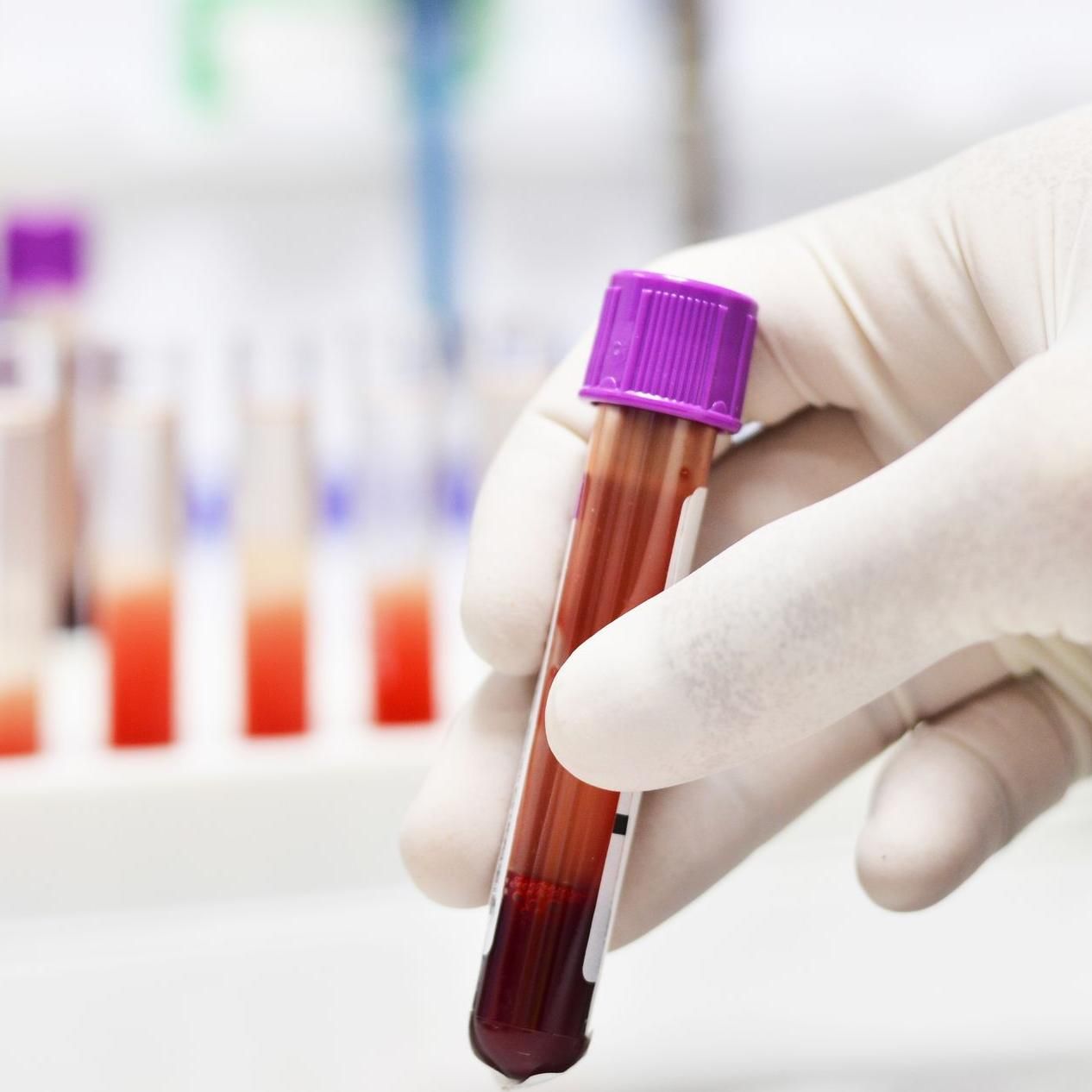
The test is performed from a blood sample, it does not require any preparation, no fasting is required for sampling.

Depending on the presence or absence of the antibodies of a virus in the body, the finding may be positive or negative for each pathogen.
If IgM antibodies are positive, there is an acute infection, the patient has recently become infected with that virus or parasite. In this case, further tests should be performed to confirm the infection.
The presence (positivity) of an IgG antibody indicates an earlier infection, caused by that pathogen. If the test was performed in pregnancy, it is recommended to repeat the test two weeks later to find out if the infection was recent or earlier. If the test gives this result before pregnancy, the pathogen may show a very low risk of infection to the fetus, as the mother’s body is already able to produce antibodies against it.
If a specific antibody cannot be detected to a particular pathogen, it indicates susceptibility to its infection. In such cases, it is advised to monitor and re-test for that pathogen during pregnancy.
After the 7th working day, following the test.
The test results do not mean a diagnosis, always consult your doctor to evaluate the results and determine what to do next.
Informational content only The textual content published on this page is for general information purposes only and does not constitute medical advice, a diagnosis, or a treatment recommendation. Proper assessment, examination, and therapeutic decisions always require a personal medical consultation and, where appropriate, further specialist opinion. Medicare Egészségközpont Zrt. makes every reasonable effort to keep the content up to date; however, it accepts no liability for the completeness or accuracy of the information published or for consequences arising from decisions based on it.