app_localeMedicare honlap
Nyelvválasztás megjegyzése.
1 év
first-party

Breast cancer is the most frequent tumorous disease among women aged 45-65 years.
Its development could be easily prevented by participating in regular screenings because if cancer is diagnosed in time, it has a good chance of being cured.
Self-examination plays an important role in prevention, as well as additional examinations such as breast ultrasound and mammography (common mammography, breast tomosynthesis).
Our colleagues are happy to help!
Our colleagues are happy to answer every question!
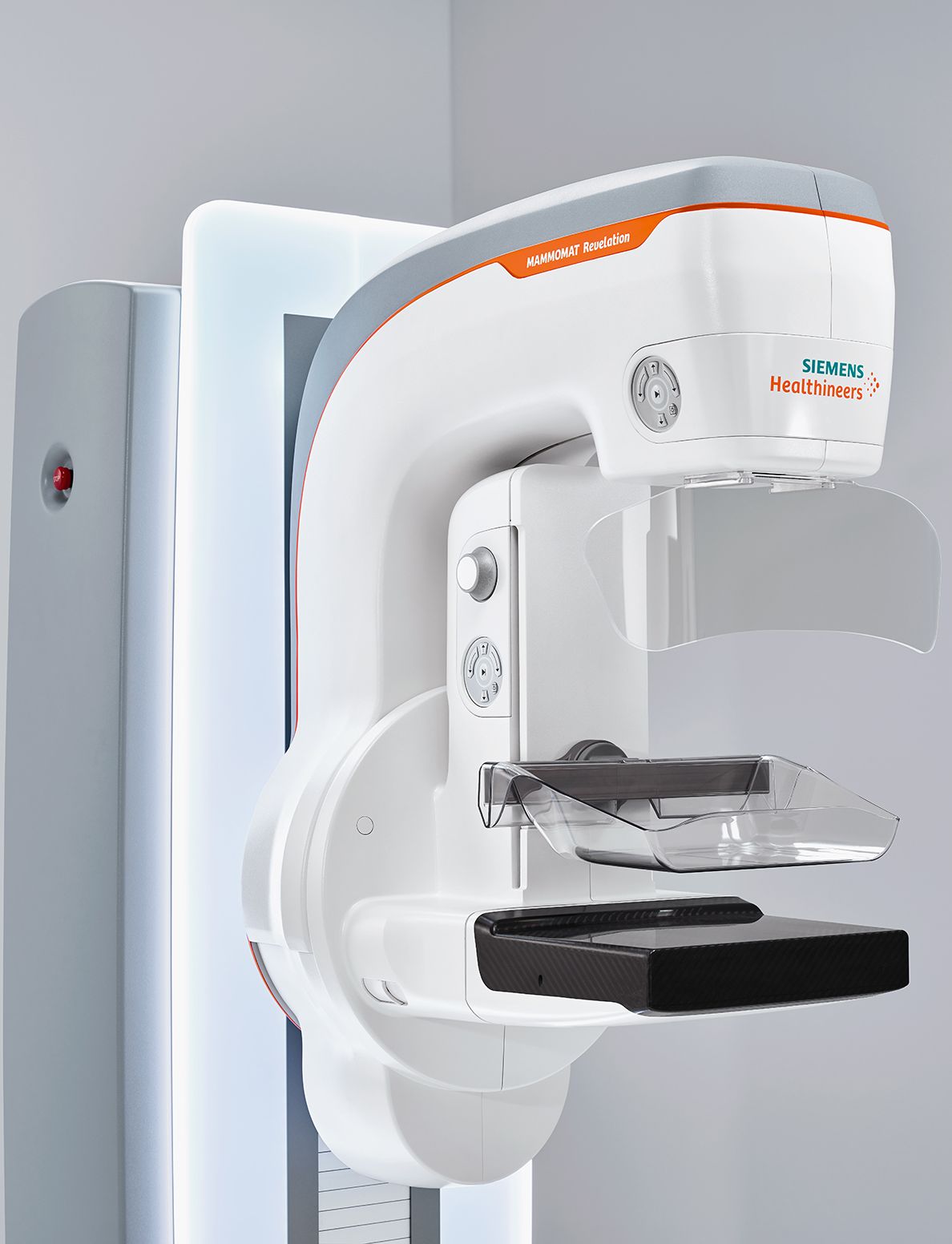
The Medicare Diagnostic Center features state-of-the-art, three-dimensional breast tomosynthesis equipment that is capable of detecting 41.5% more invasive types of breast cancer than traditional mammography.
| TOMOSYNTHESIS | MAMMOGRAPHY | |
| Breast tomosynthesis can detect 41.5% more invasive types of breast cancer than mammography. | ||
| 3D | Imaging | 2D |
| 50° | Test angle range | – |
| personalized compression | Chest pressure | unpleasant feeling of compression |
| yes | Tissue sampling possibility | yes |
| yes | Automatic breast tissue density measurement | no |
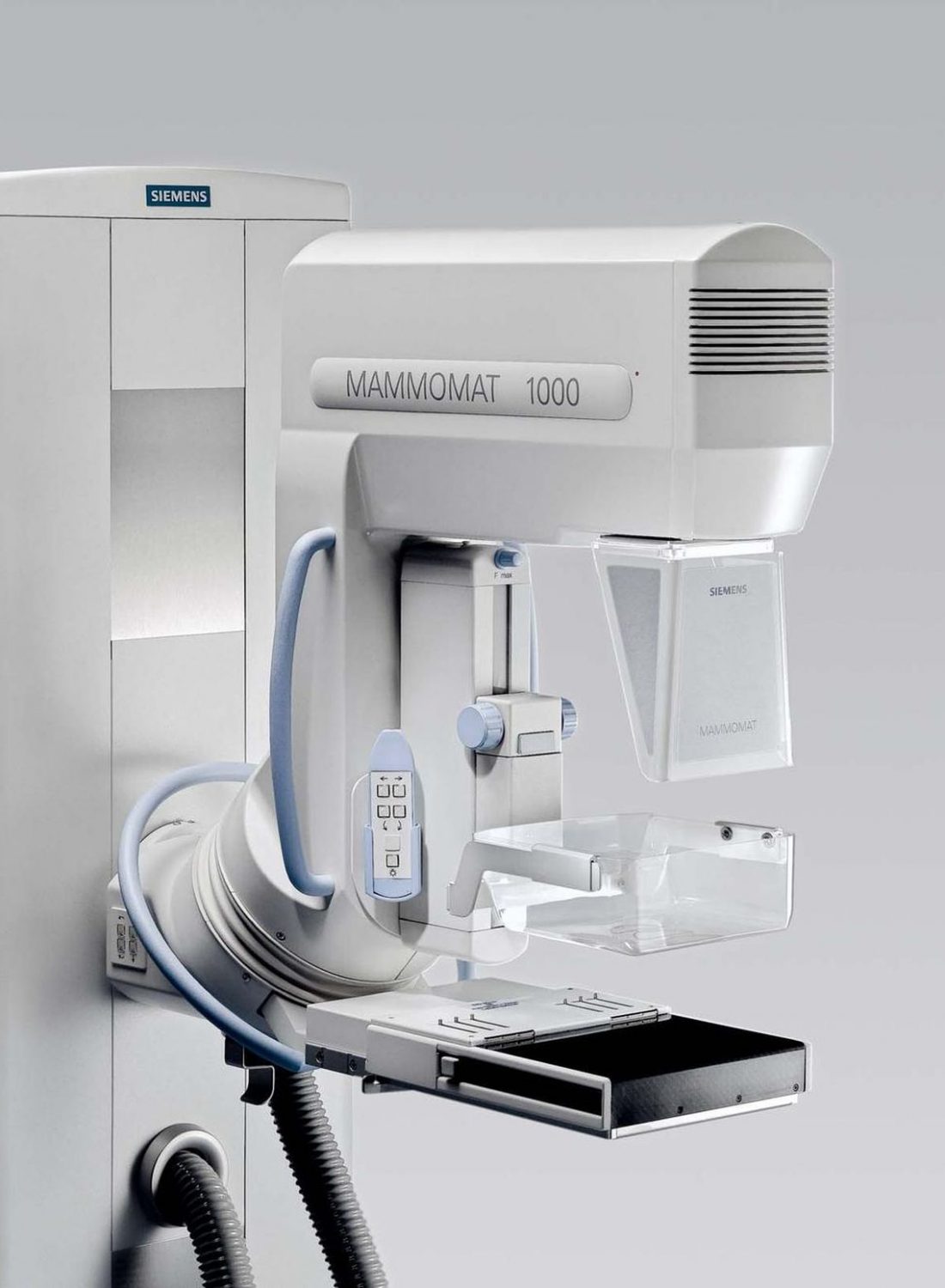
Breast tomosynthesis compared to common mammography:
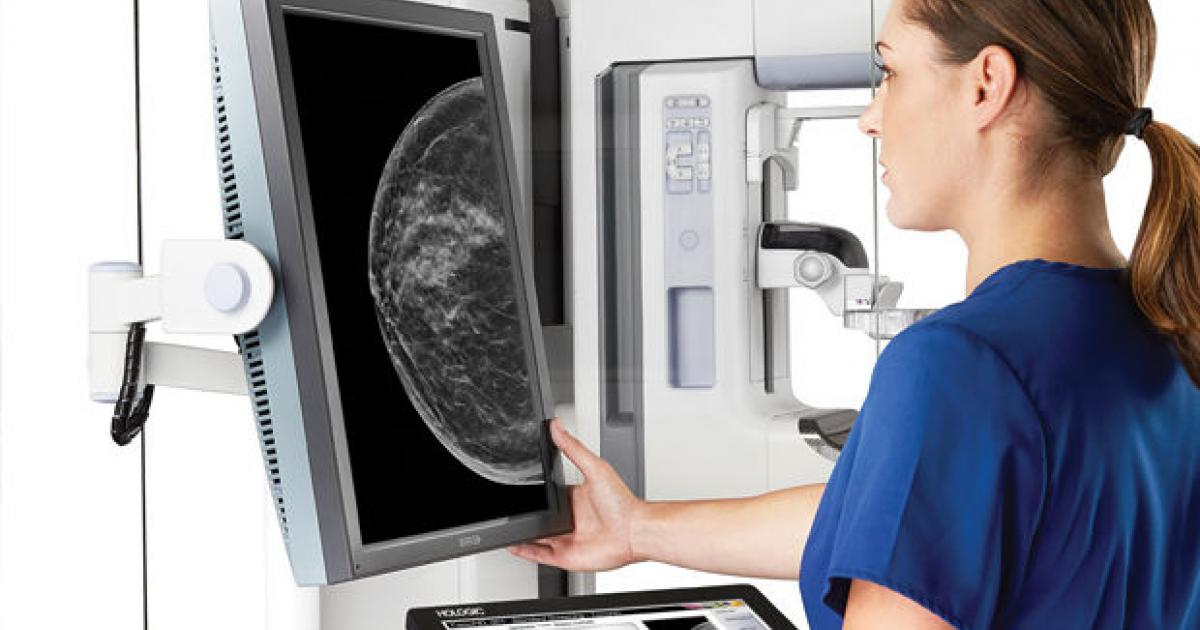
During screening, two-way mammography is performed on both breasts, preceded by physical examination, individual and family history, and risk factor assessment. It takes about 5 minutes to take a mammography.
The upper body should be exposed so that the breasts can be examined. Then stand in front of the X-ray machine and place the breasts on the surface containing the X-ray film. The imaging process is performed with low-energy ionizing radiation, so the radiation exposure is small. The recordings are then evaluated by a specialist. The results are available in our online system 3-4 working days after the examination.
In some cases, an additional examination is needed to make an accurate diagnosis, which may be an additional special X-ray or ultrasound examination.
The examination requires a paper-based medical referral, which is prescribed by your GP or a specialist. With aging, the risk of developing breast cancer increases. Women between the ages of 45 and 65 have the highest risk factor, so they need to be screened at least every two years. Of course, whatever suspicion arises about the presence of breast cancer, it is possible to perform the test regardless of age.
Breast tomosynthesis is a more advanced method of examining breasts than common mammography. The image taken during tomosynthesis has a much higher resolution and is more detailed than the one taken during a common mammographic examination, which allows the early detection of breast lesions. In case of a tomosynthesis, breast compression is also much milder, making it less uncomfortable for the patient.
Informational content only The textual content published on this page is for general information purposes only and does not constitute medical advice, a diagnosis, or a treatment recommendation. Proper assessment, examination, and therapeutic decisions always require a personal medical consultation and, where appropriate, further specialist opinion. Medicare Egészségközpont Zrt. makes every reasonable effort to keep the content up to date; however, it accepts no liability for the completeness or accuracy of the information published or for consequences arising from decisions based on it.