
app_localeMedicare honlap
Nyelvválasztás megjegyzése.
1 év
first-party

Surgery is needed to treat disorders, such as thyroid nodules, benign thyroid enlargement (goitre), hyperthyroidism, and cancer.
Thyroid surgery is an option if the overactive thyroid gland produces too much hormone (thyroxine) and it is not possible to treat it with thyroid drugs or radioactive iodine therapy.
Our colleagues are happy to help!
Our colleagues are happy to answer every question!

When a lump, inflammation, or swelling, cancer affects only one half of the thyroid gland, the doctor removes only one lobe (thyroid lobectomy or hemithyroidectomy). The remaining lobe can supply the body with thyroid hormone without taking medication.
During a total thyroidectomy, the entire thyroid gland, both lobes, and the connecting part of it are removed. In some cases, for safety reasons, a small amount of thyroid tissue is left around the nerve that moves the vocal cords (near total surgery). This surgery is indicated if the nodules, swelling, or inflammation affect the entire thyroid gland, or if preliminary tests have confirmed a certain type and size of cancer. After a total thyroidectomy, daily thyroid hormone replacement is needed to replace the natural function of the thyroid gland.
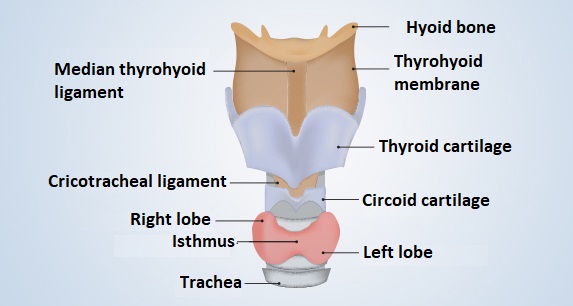
Thyroid removal, also known as thyroidectomy, is performed under local or general anaesthesia.
The surgery is performed through a skin incision made in the lower part of the neck, and the procedure can take 1-3 hours.
Thyroid surgery carries a risk of infection, bleeding, vocal cord paralysis, and low calcium levels, which are rare complications.
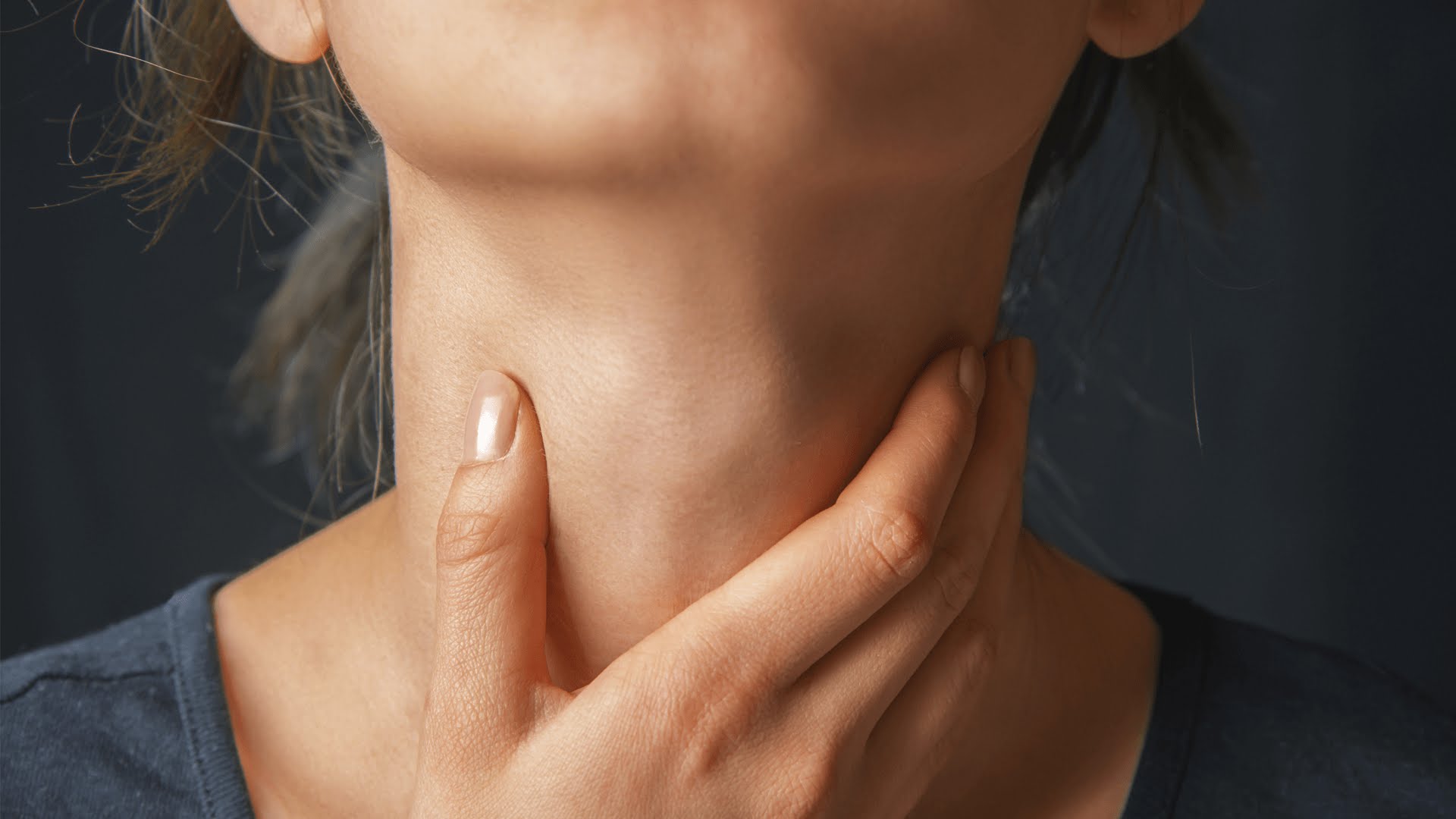
It is very important to properly adjust thyroid function before surgery with the help of an endocrinologist.
One day after thyroid surgery, the drain is removed from his neck. A new blood test is performed to check calcium levels.
After surgery, you will most likely need a daily thyroid hormone replacement to trigger natural function and ensure proper functioning of the body. Additional blood tests will be needed to balance your hormone levels.
Regular post-thyroid check-ups are very important to make sure your metabolism is working properly and to monitor your medication dosage.
We accommodate our clients in a modern, pleasant, air-conditioned single room. Each room has a private bathroom, fridge and TV, and free WIFI access. We also provide our clients with individual nurse supervision, who will help your continuous recovery during your stay.
Informational content only The textual content published on this page is for general information purposes only and does not constitute medical advice, a diagnosis, or a treatment recommendation. Proper assessment, examination, and therapeutic decisions always require a personal medical consultation and, where appropriate, further specialist opinion. Medicare Egészségközpont Zrt. makes every reasonable effort to keep the content up to date; however, it accepts no liability for the completeness or accuracy of the information published or for consequences arising from decisions based on it.