app_localeMedicare honlap
Nyelvválasztás megjegyzése.
1 év
first-party

Spinal surgery specializes in surgical solutions to spinal problems and is a frontier between orthopaedics and neurosurgery. Surgery is usually necessary when conservative treatments (including physiotherapy, electrotherapy, balneotherapy, therapeutic massage, manual therapy, infusion treatments) are not effective enough or are not sufficient to treat or recover the patient. In case of spinal surgery, in the last few years, not only are classic, open surgical interventions available, but minimally invasive surgical techniques have become more common, providing faster recovery with less tissue damage and lower infection rates.
Our colleagues are happy to help!
Our colleagues are happy to answer every question!
Spinal surgeries may be required in the following cases:
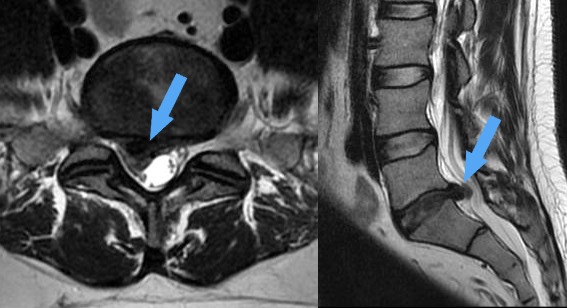

While in the case of the open surgical procedure the surgeon makes larger incisions (the spine is opened with a cut that makes the it easily accessible and visible to the spinal surgeon), in the case of minimally invasive intervention, the penetration gate is much smaller (as small as the endoscope).
For example, during a minimally invasive posterior lumbar (lower back) spine opening, as opposed to conventional opening, the muscles are not or to a much lesser extent detached from the spine, and the fascia covering the muscles is also ruptured and damaged to a lesser extent.
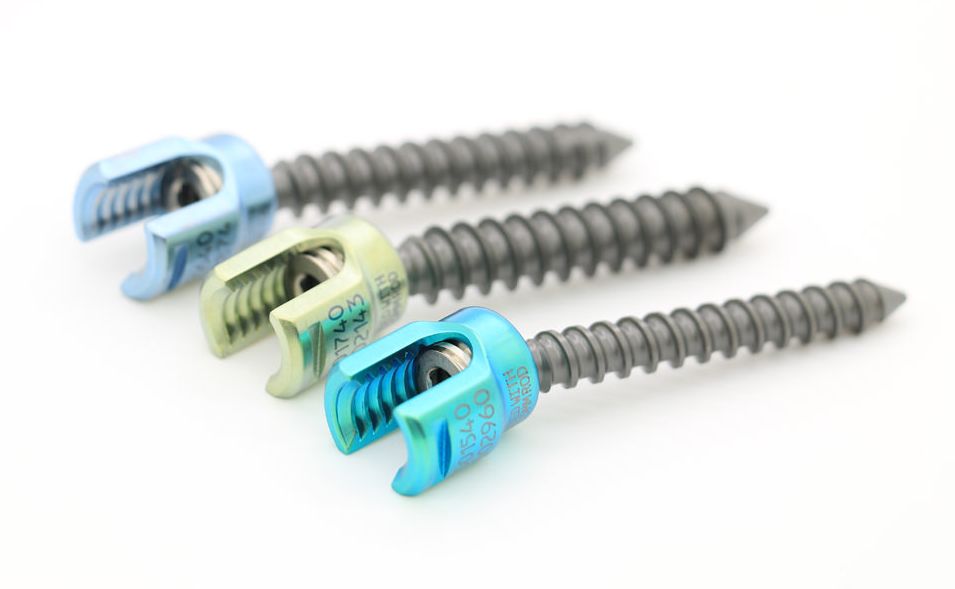
This can result in faster postoperative mobilization, less pain, faster rehabilitation. As the example shows, to join two vertebrae during a stabilization operation can be performed with approx. two 4-6 cm wide incisions, as opposed to open surgery, where in this case one incision is made but it is approx. 10-20 wide.
Although the conventional, also known as open, surgical procedure is more convenient for the surgeon, it is not necessarily more beneficial for the patient, as the minimally invasive technique, thanks to the smaller incision, also causes much less tissue damage during the procedure.
A good example of this is anterior or lateral spine opening, during which incisions of 15-30 cm were made in the past, but today, thanks to the new technology, incisions of 5-8 cm are sufficient in most cases.
However, unfortunately, open surgery is not always avoidable.
Essentially, the main advantage of minimally invasive surgical procedures is that, in addition to achieving a result similar to their open counterpart, with less postoperative pain, they provide faster recovery, lower infection rates, and a more aesthetic skin scars.
Informational content only The textual content published on this page is for general information purposes only and does not constitute medical advice, a diagnosis, or a treatment recommendation. Proper assessment, examination, and therapeutic decisions always require a personal medical consultation and, where appropriate, further specialist opinion. Medicare Egészségközpont Zrt. makes every reasonable effort to keep the content up to date; however, it accepts no liability for the completeness or accuracy of the information published or for consequences arising from decisions based on it.