app_localeMedicare honlap
Nyelvválasztás megjegyzése.
1 év
first-party

Rheumatology deals with the conservative, non-surgical treatment of the parts of the musculoskeletal system (tendons, muscles, ligaments) besides the joints, and spinal lesions.
Orthopaedics deals with the restorative and surgical treatment of acquired and congenital musculoskeletal disorders (implantation of prostheses, bone and cartilage replacement, corrections).
Our colleagues are happy to help!
Our colleagues are happy to answer every question!
Physiotherapy
Therapeutic massage
Within the framework of electrotherapy:
Immediate pain relief if needed
Cure-like injection treatments
Cure-like infusion treatments for musculoskeletal problems
There is no extra charge for steroid injection, it is included in the price of the examination.
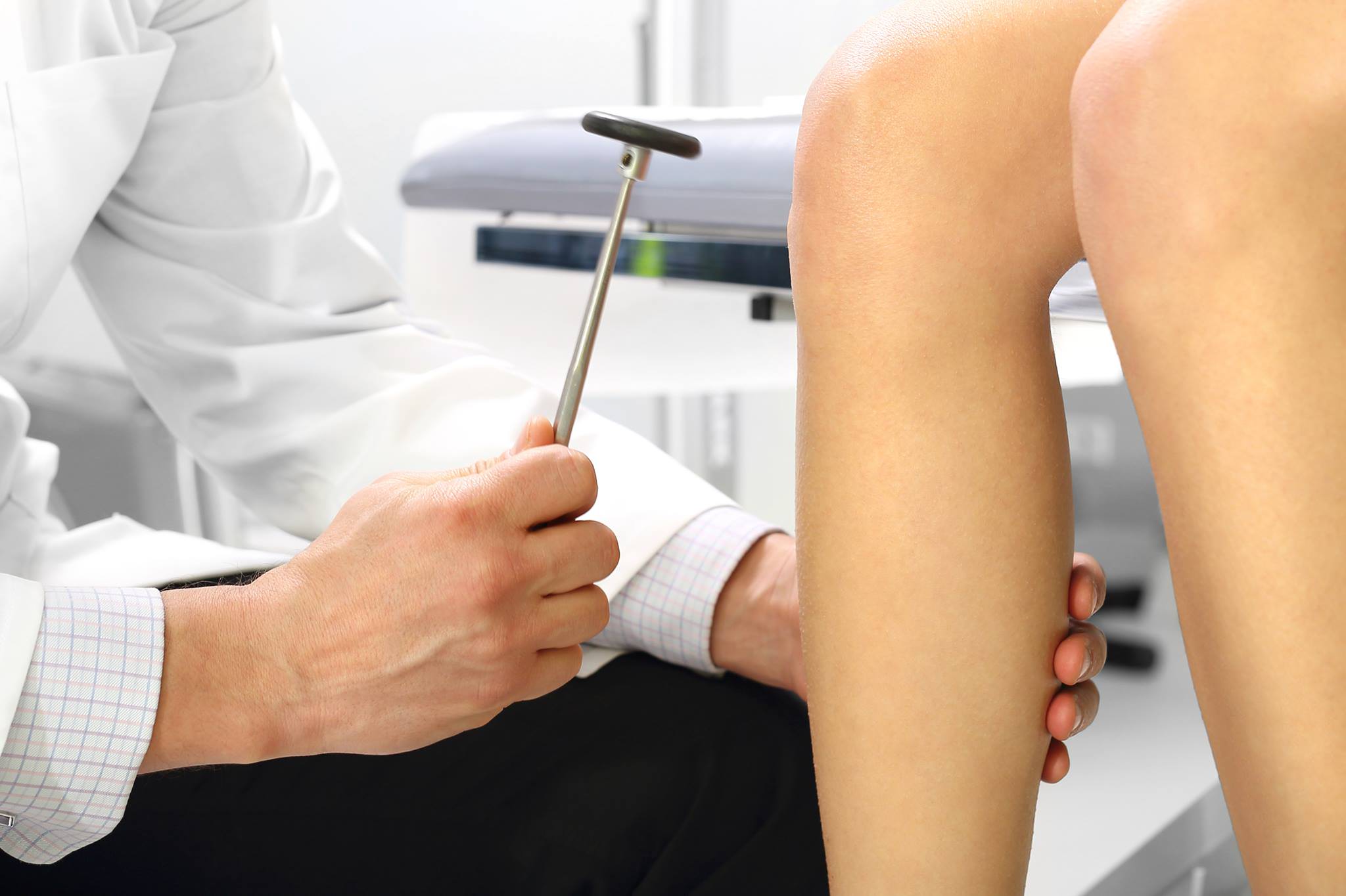
During the rheumatological examination, the specialist first asks the patient about the complaints (exactly where, how long and how often the pain occurs, whether a trauma affected the certain part of the body, whether an insect bite had happened before the complaint occurred, or whether there is an accompanying symptom), previous illnesses, medications taken, and family illnesses. This is followed by a general physical examination: the rheumatologist inspects the affected part of the body, checks its range of movement, muscle strength, reflexes, and locates the pain by palpation. Depending on the complaint, the rheumatologist checks the condition of the spine and gait, possible postural abnormalities and a neurological examination may also be performed.
The rheumatologist may request a laboratory or additional imaging (ultrasound, X-ray, MRI, CT) and bone density measurements to make the diagnosis, which are available at our Clinic.
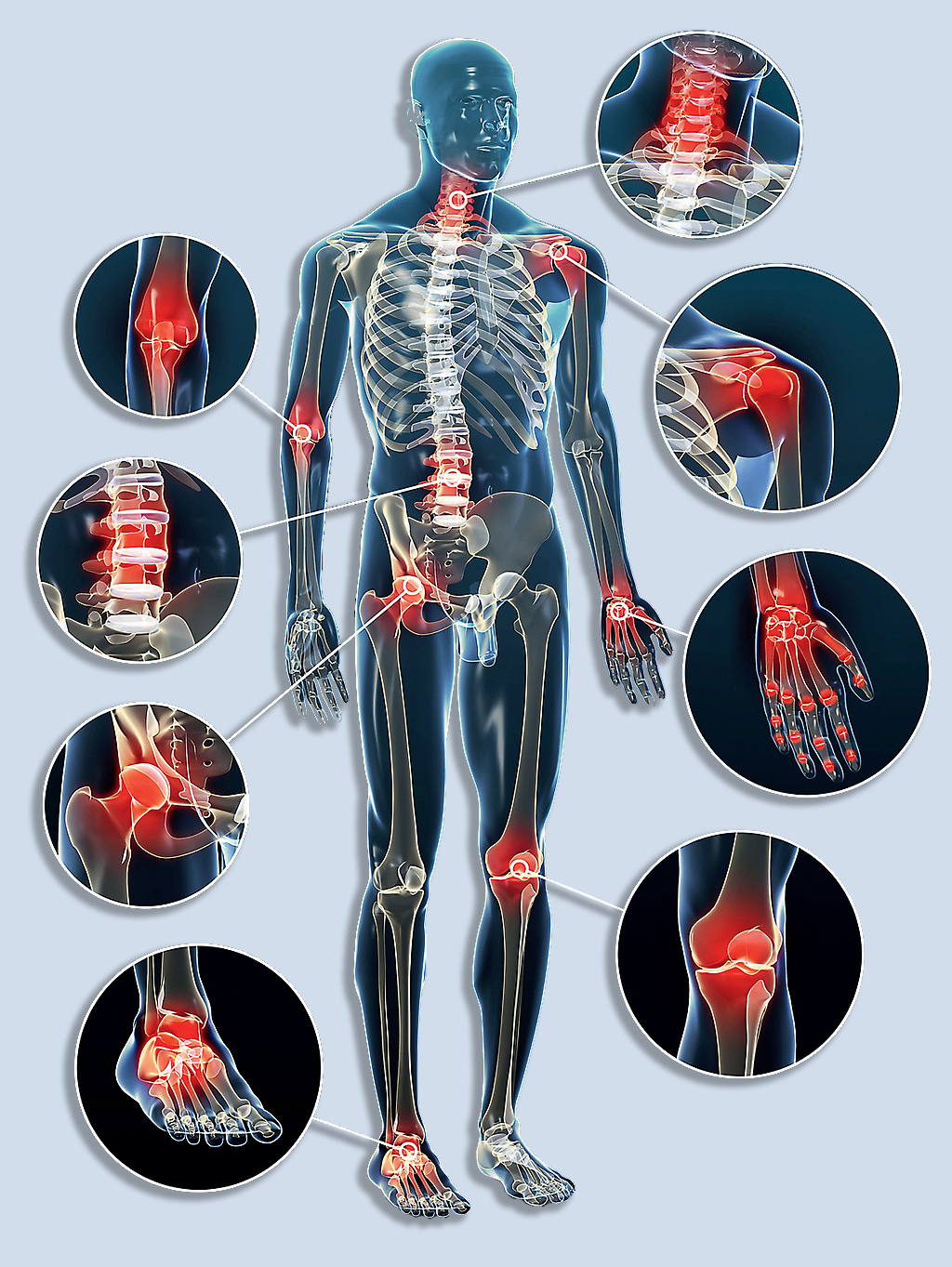
Degenerative joint diseases are treated within the framework of a rheumatology clinic, if they do not require surgical intervention:
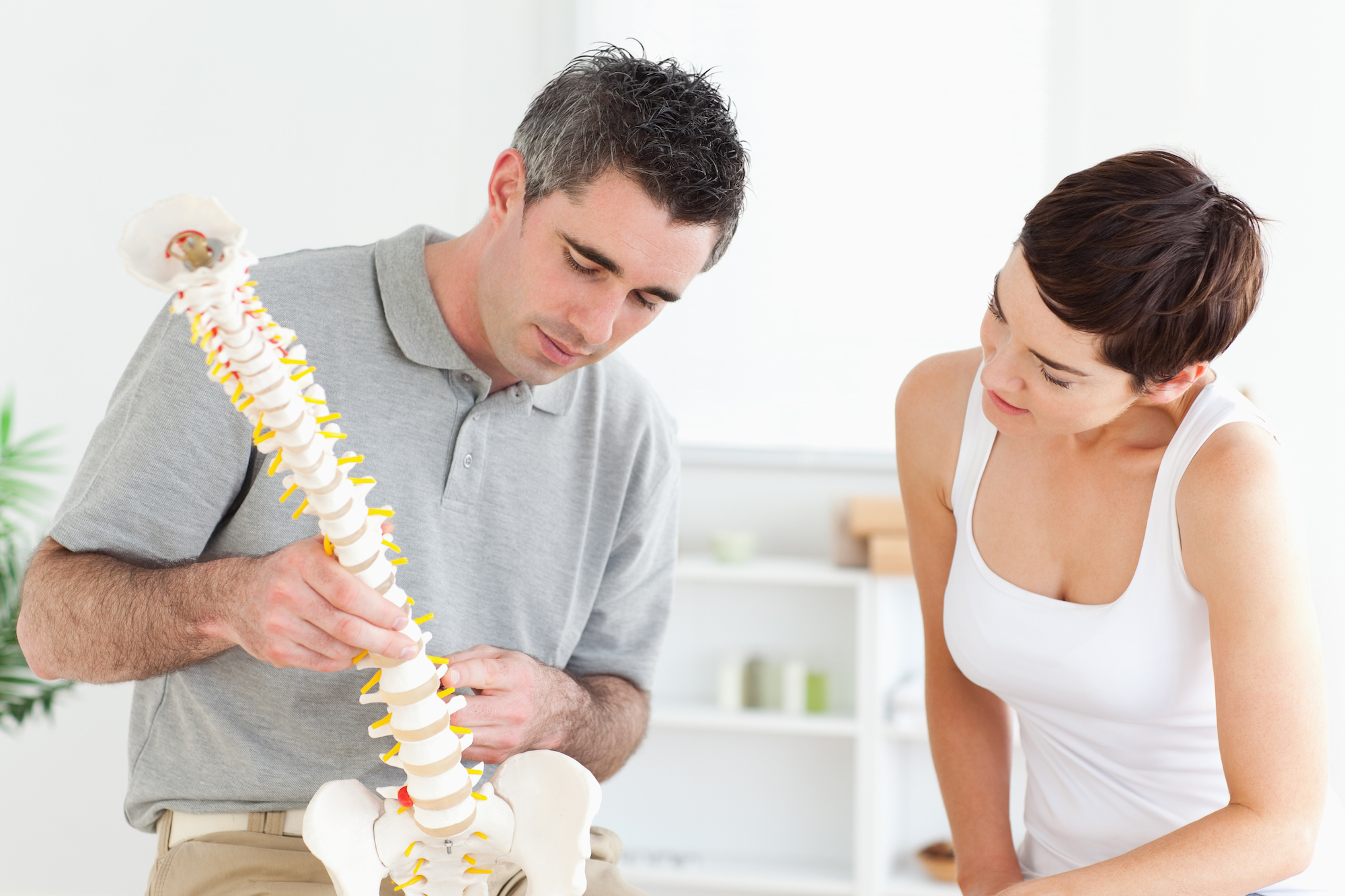
Rheumatologists should also be consulted when it comes to painful conditions of the spine (e.g. lower back pain, pinched nerve, lumbago), and osteoporosis should also be diagnosed and treated within the framework of a rheumatology clinic.
The rheumatologist deals with diseases that cause musculoskeletal complaints.
Informational content only The textual content published on this page is for general information purposes only and does not constitute medical advice, a diagnosis, or a treatment recommendation. Proper assessment, examination, and therapeutic decisions always require a personal medical consultation and, where appropriate, further specialist opinion. Medicare Egészségközpont Zrt. makes every reasonable effort to keep the content up to date; however, it accepts no liability for the completeness or accuracy of the information published or for consequences arising from decisions based on it.