app_localeMedicare honlap
Nyelvválasztás megjegyzése.
1 év
first-party

Pancreatic dysfunction may occur in case of indigestion, diarrhoea, bloating, fullness. The pancreatic laboratory package examines pancreatic function from a blood sample (amylase, lipase) and a stool sample (pancreatic-specific elastase).
The pancreas is an excretory gland located behind the peritoneum with endocrine gland islands (Islets of Langerhans) that contain the essential enzymes needed for digestion. The head of the elongated glandular organ is located on the curvature of the duodenum, and the tail is under and behind the stomach. Protein, carbohydrate, and fat-breaking enzymes are vital components of the pancreatic fluid. Enzymes called trypsin, chymotrypsin, polypeptidase and dipeptidase are responsible for breaking down proteins. Protease are formed in the form of a proenzyme (pre-enzyme). Carbohydrates are broken down by a pancreatic enzyme called amylase, while fats are broken down by a lipase enzyme.
Amylase is an enzyme involved in the breakdown of polysaccharides (high molecular weight compounds). Polysaccharides are made up of hundreds or thousands of monosaccharides. The two most important polysaccharides are starch and cellulose.
In most cases, its levels rise in acute pancreatitis. In addition to amylase levels, lipase is also measured to diagnose acute pancreatitis. In case of pancreatitis, amylase levels can be as much as five to ten times the normal. Elevated amylase levels may also indicate pancreatic cancer, ovarian cancer, lung cancer, intestinal obstruction, perforated ulcer, or mumps.
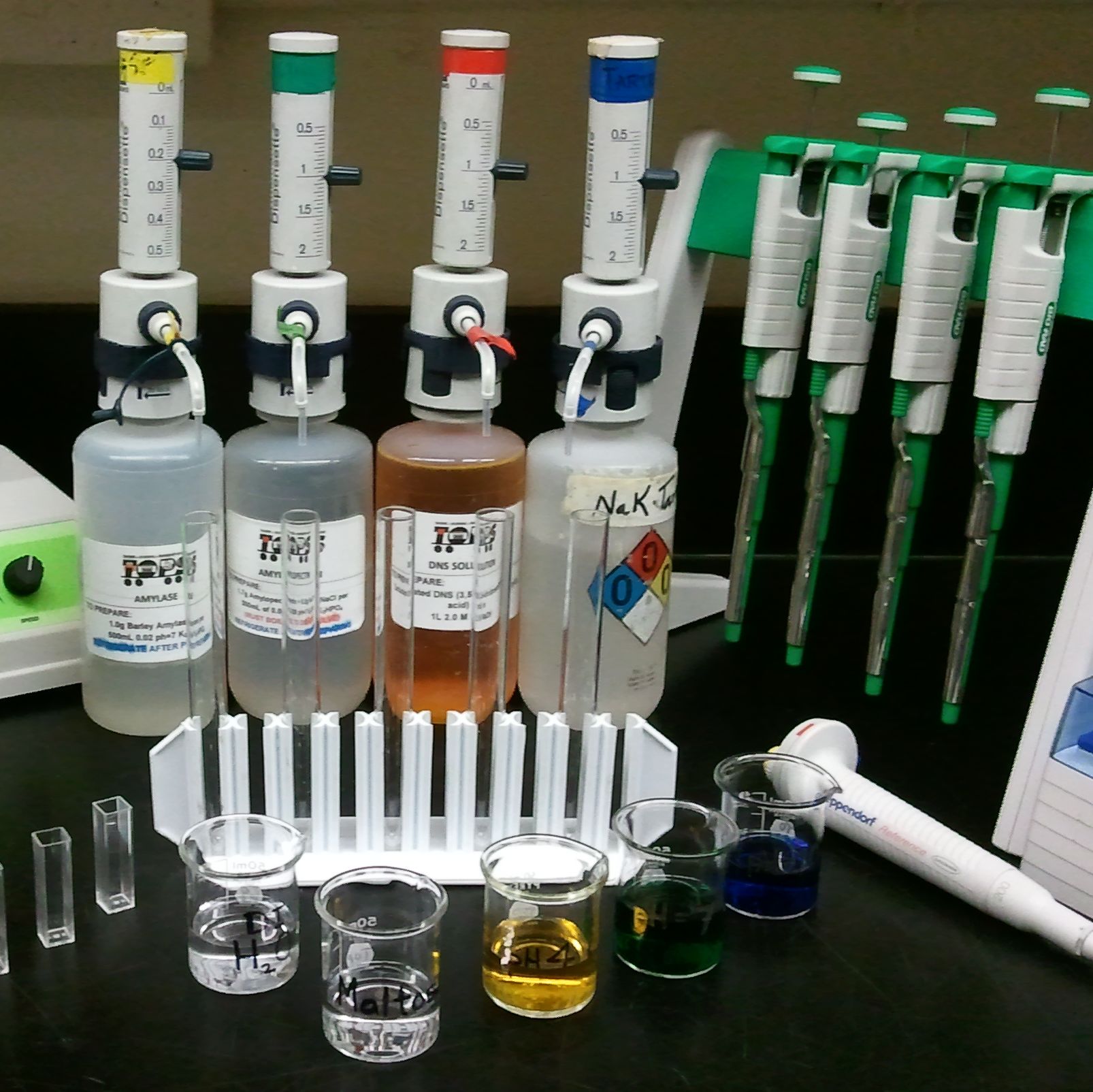

Lipase is primarily an enzyme produced in the pancreas that helps break down fats.
In case of acute pancreatitis, lipase levels can reach two to five times the normal value.
In addition to lipase levels, amylase is also measured for diagnosis. If there is pancreatitis in the body, the level of lipase rises later than that of amylase, but remains permanently higher.
This test measures the amount of elastase 1 enzyme produced by the pancreas in a stool sample and can be used to diagnose pancreatic diseases with insufficient digestive enzyme production.
Pancreatic elastase 1 passes through the digestive tract intact, allowing painless enzyme levels to be determined in the stool.
Stool pancreatic elastase 1 level content can already show a mild degree of pancreatic insufficiency.
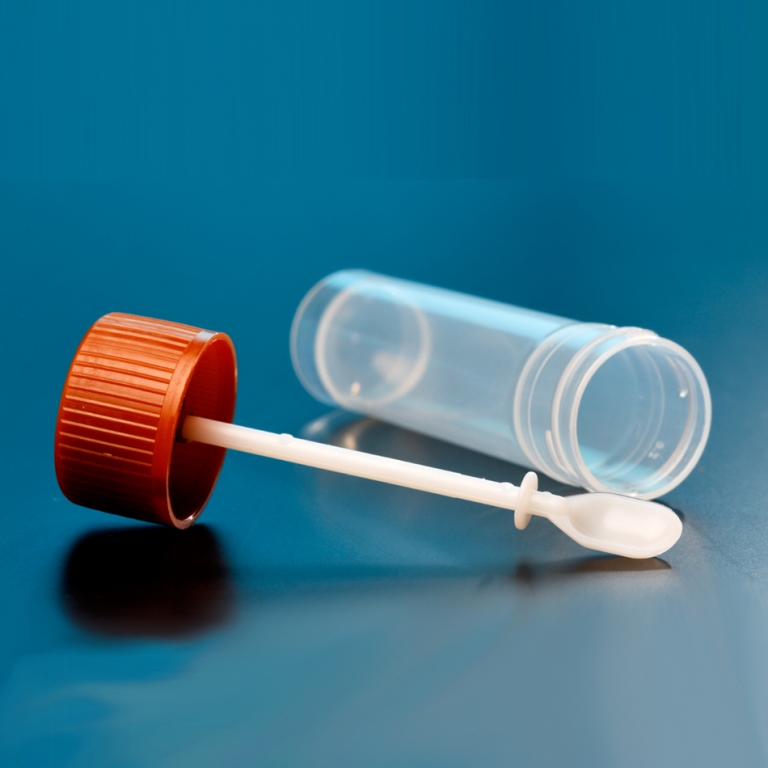
It is important to note that diarrheal stools are not suitable for testing and sampling should not take place during menstruation! The sampling device is a so-called spoon tube, which you can request at the receptions of our Clinics or in the laboratory.
Empty stomach is required to perform the test.
Informational content only The textual content published on this page is for general information purposes only and does not constitute medical advice, a diagnosis, or a treatment recommendation. Proper assessment, examination, and therapeutic decisions always require a personal medical consultation and, where appropriate, further specialist opinion. Medicare Egészségközpont Zrt. makes every reasonable effort to keep the content up to date; however, it accepts no liability for the completeness or accuracy of the information published or for consequences arising from decisions based on it.