app_localeMedicare honlap
Nyelvválasztás megjegyzése.
1 év
first-party

In addition to vision problems (nearsightedness and farsightedness, colour blindness), ophthalmology also deals with the diagnosis and treatment of inflammatory and other eye diseases. Regular ophthalmic examinations are also recommended even in the absence of complaints, as ophthalmic screenings may shed light on lesions that do not yet cause problems but perhaps will in the future.
Our colleagues are happy to help!
Our colleagues are happy to answer every question!
In addition to the screening examinations (visual acuity examination, colour vision examination, microscopic eye examination), our trained specialists at our ophthalmology clinic perform outpatient ophthalmic minor surgeries (excision of barley, atheroma, fibroma and other lesions, removal of pterygium, bilateral upper blepharoplasty, treatment of entropion and ectropion) if necessary.
Occasionally, we also accept children from the age of 7 with vision problems and symptoms of eye inflammation.
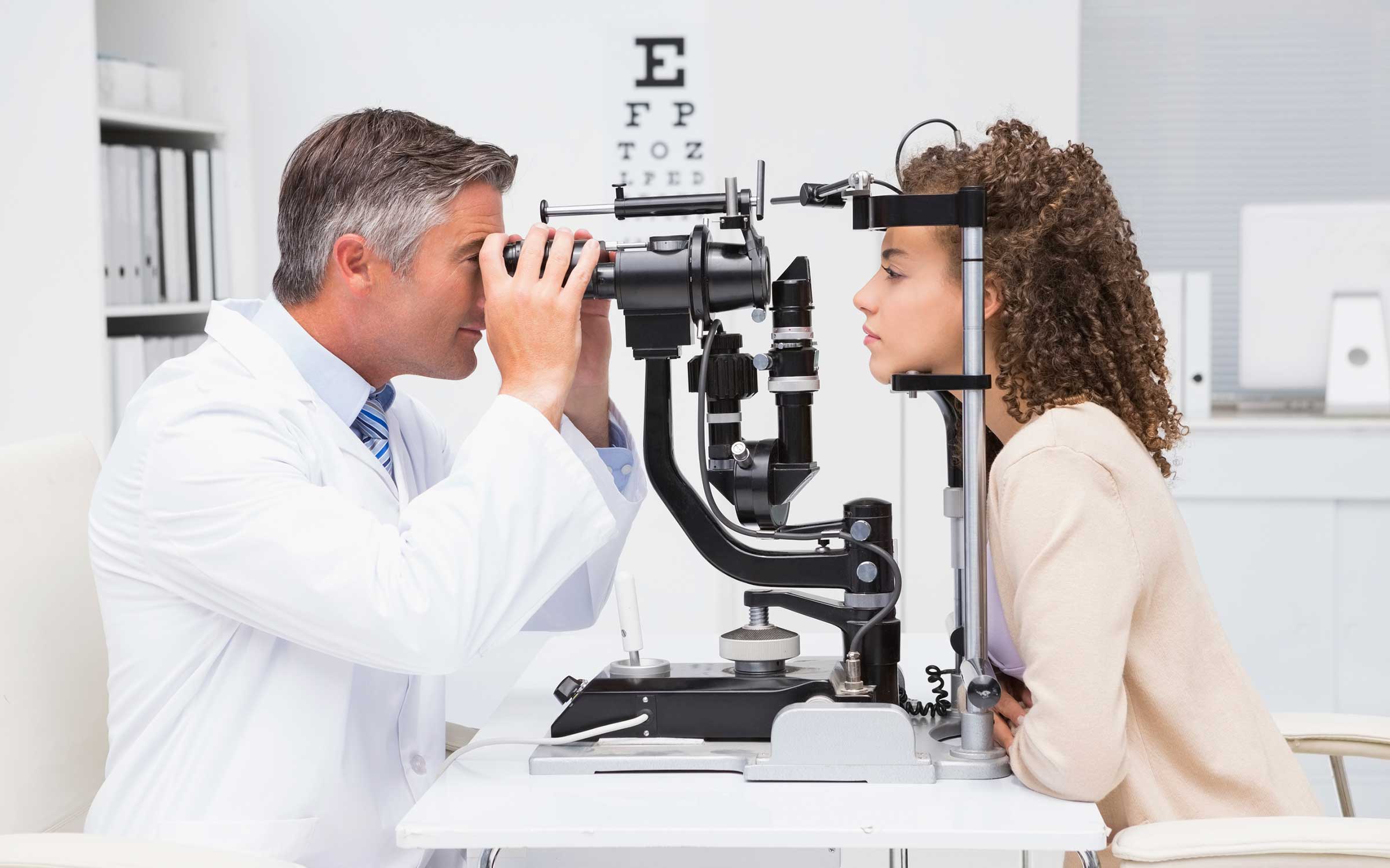
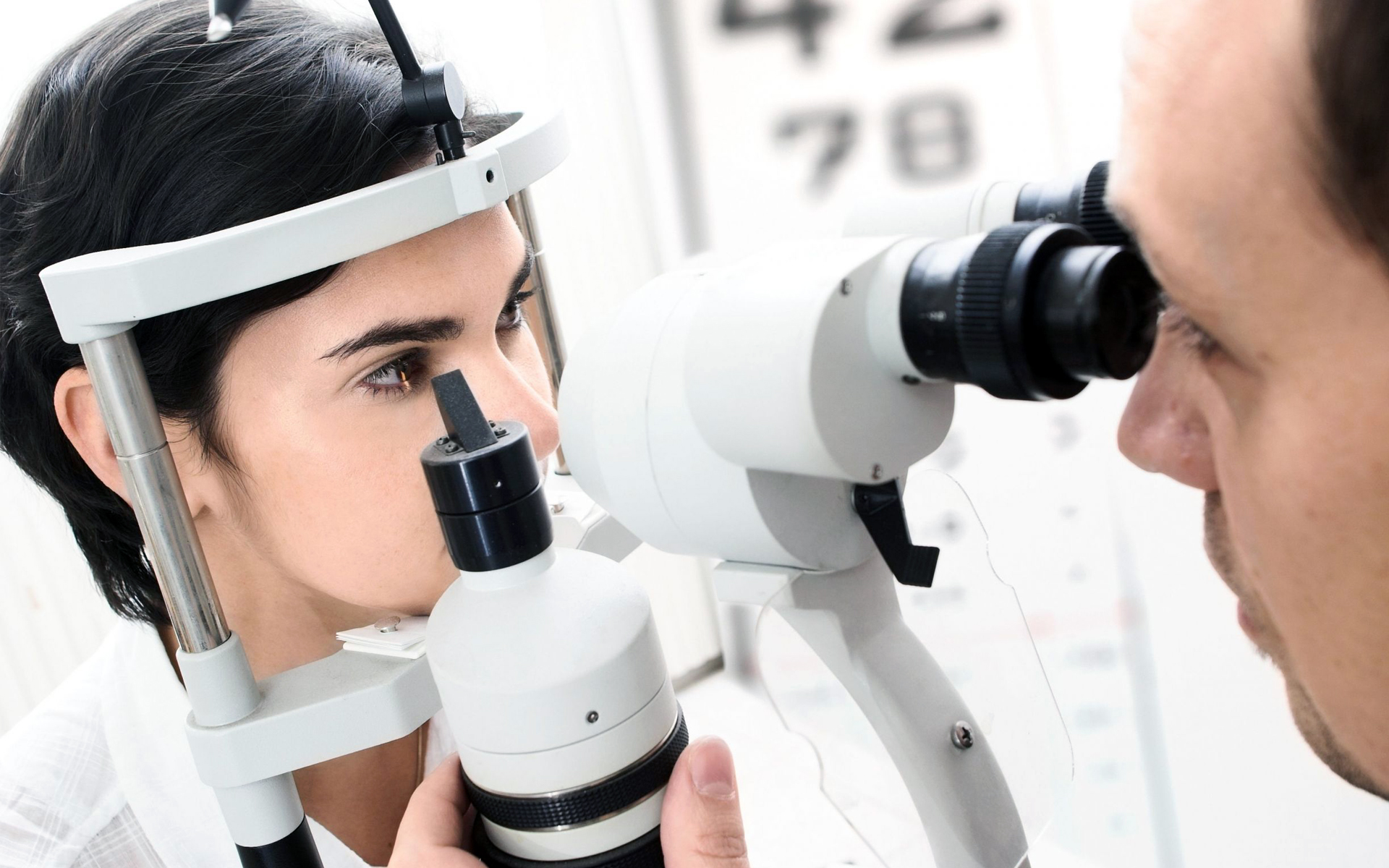
Regular ophthalmologic examination is especially important because by treating diseases discovered in time, more serious complications such as the development of visual impairment can be prevented later. In addition to adult outpatient care, we also accept children from the age of 7 in our specialist clinics.
The following examinations may be performed during a private ophthalmic order:
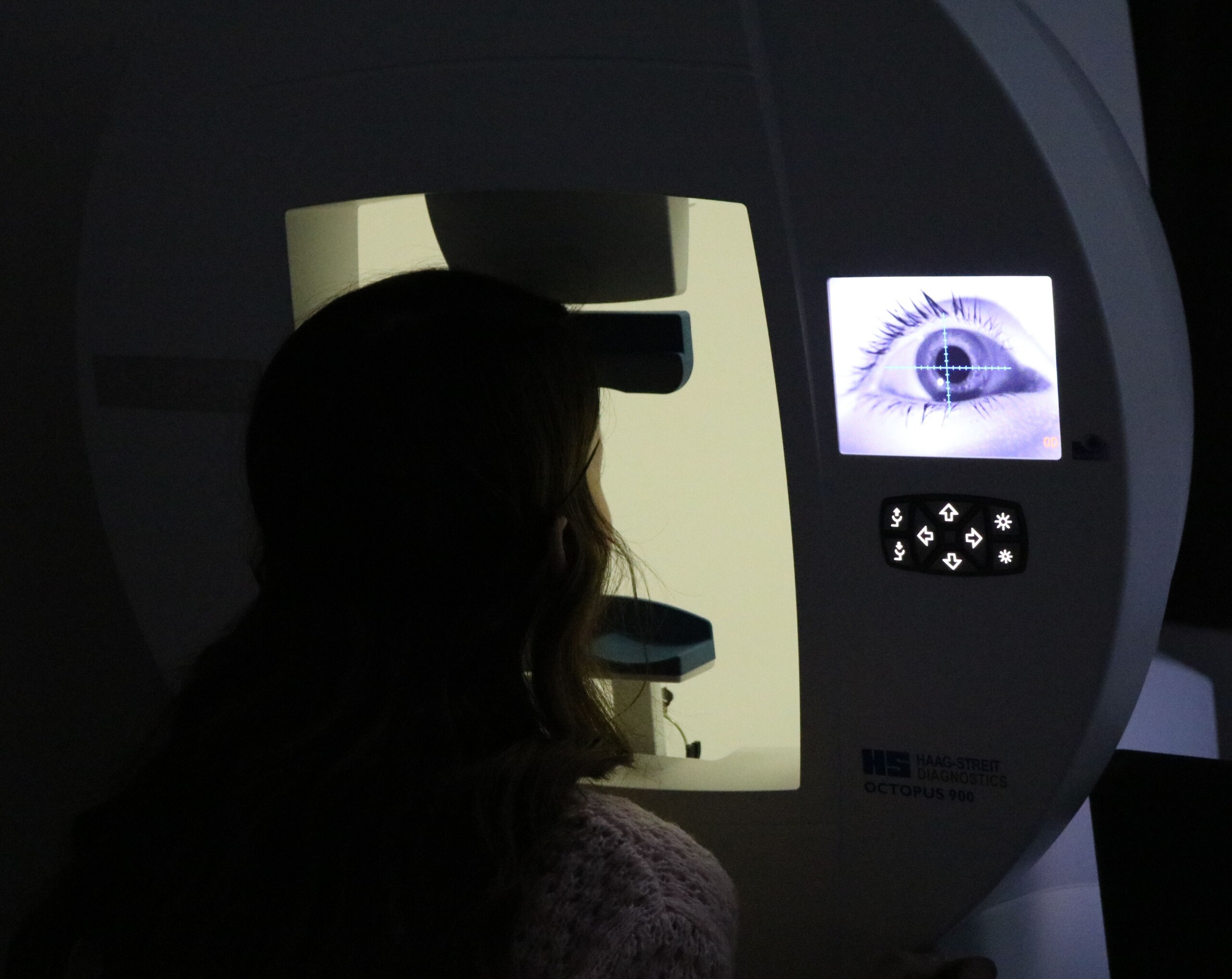
If necessary, our ophthalmologists can order the following diagnostic tests, which are also available at our Clinic:
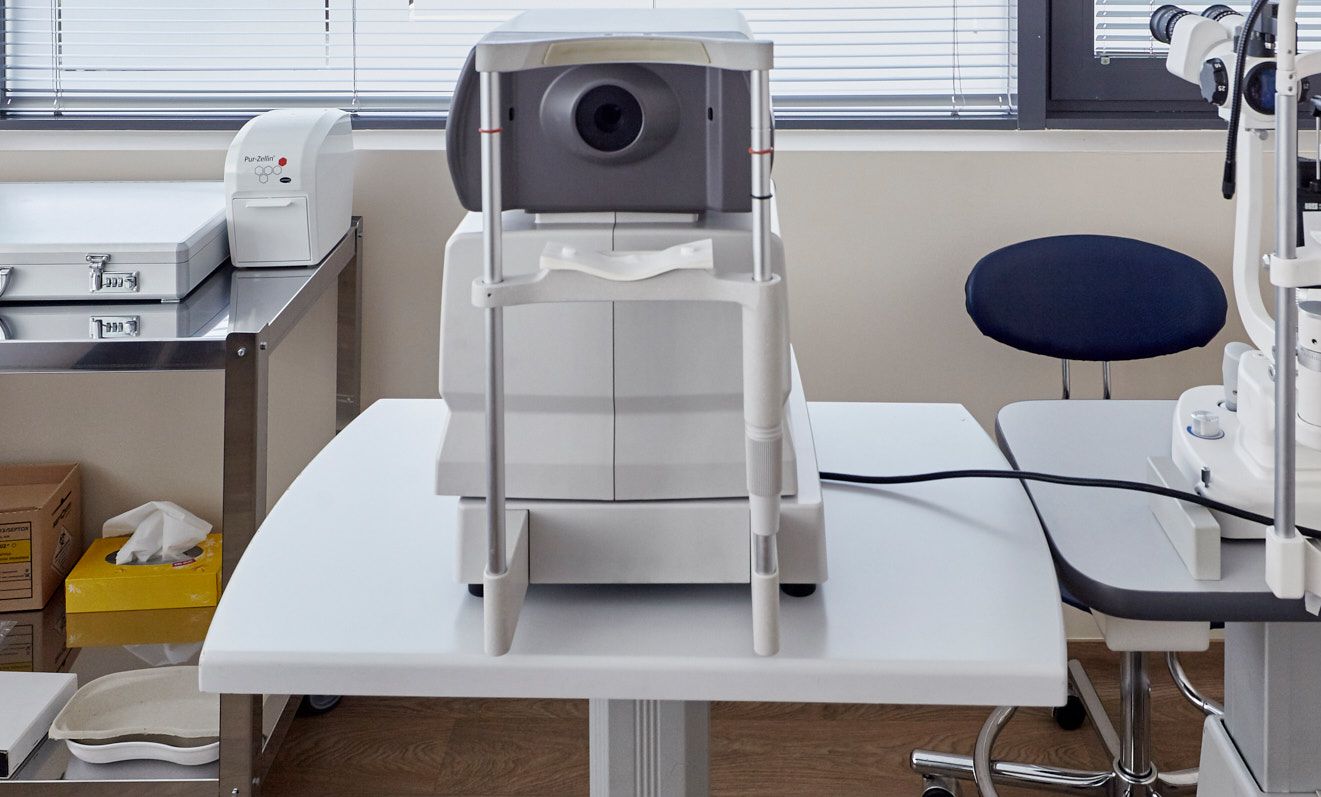
Where appropriate, the following diagnostic tests may also be performed:
Nearsightedness, i.e. myopia, occurs when the axis of the eye is longer than ideal. In this case, the light rays that come into contact with the eyes meet in front of the retina. The short-sighted only sees close objects sharply. Myopia can be measured in dioptres (mild myopia: maximum -3 dioptres, moderate myopia: -3 to -9 dioptres, high myopia: above -9 dioptres). Myopia can be corrected with glasses or contact lenses, and in some cases surgically.
In case of farsightedness (hyperopia), the size of the eyeball is smaller than average. The farsighted person sees distant objects sharply, while close ones are blurred due to the lower than average refractive power of the eye. This refractive error can be corrected with glasses, contact lenses, or surgically.
So-called distorted vision (astigmatism) occurs when there is a defect in the curvature of the cornea. Poor visual acuity can be treated with glasses or contact lenses or, in more severe cases, surgically corrected.
Cataract means the partial or complete greying of the crystalline lens. Cataract is a disease associated with the gradual development of vision impairment over the years, which is painless and part of the aging process. The most common symptoms of the disease are blurred vision, fading colours, poor night vision, sensitivity to bright lights, and double vision when one eye is obscured. It is treated in our clinic with cataract removal surgery. Implanting an artificial lens is a completely painless, minimal risk procedure.
Barley is an inflammation of the glands around the eyes. Inflammation of the glands on the inner surface of the eyelid is the inner barley (Hordeolum iternum) and inflammation of the glands on the outer surface of the eyelid is the outer barley (Hordeolum externum). In case it does not heal with medication, it is treated surgically.
Atheroma is a benign lesion caused by a blockage in the outlet tube of the sebaceous glands. As a result of the occlusion, the accumulated porridge-like sebum dilates the glandular tube. It is removed with its capsule.
A cyst is a blister full of water that has a thin capsule and can occur under the skin of the eyelid, as well as under the conjunctiva. It is benign, but it can be aesthetically annoying. Removal of the cyst is recommended in this case.
Benign lesion (cellular proliferation). The fibroids on the eyelids are more aesthetically annoying. It is removed by surgical excision.
The conjunctiva is a transparent, thin tissue covering the white of the eye and the inside. Symptoms of conjunctivitis include red, inflamed, burning, watery eyes. Inflammation can be caused by a viral or bacterial infection, or an allergic reaction. According to its types, we distinguish between infectious and non-infectious conjunctivitis. Non-infectious inflammation is usually caused by some eye-irritating environmental factor (such as draught, smoke, dry air, or an allergen). Infectious conjunctivitis is caused by viruses (staphylococcus, streptococcus and pneumococcus) or bacteria that settle on the mucosa. It can be treated with antibiotic eye drops or other anti-inflammatory drops. In such cases, it is especially important to avoid rubbing or irritating the eyes.
Pterygium is the conjunctiva that extends over the cornea. It occurs mostly in the nasal region and is mostly bilateral. Occasionally, the lesion itself and its environment become increasingly vascular, red. In such cases, it only causes an aesthetic complaint. In its advanced state, it also reaches the centre of the cornea, at which point it causes visual impairment. It is surgically removed. During the procedure, the abnormal conjunctiva is detached from the cornea.
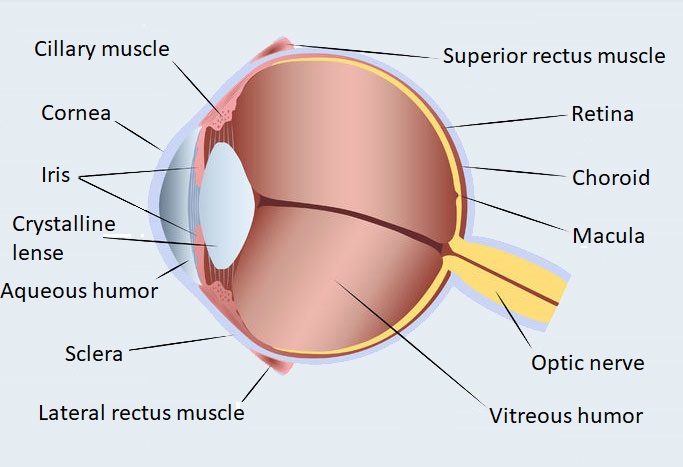
The eyes are the organs of vision. They are protected by the eyelids as well as the conjunctiva. The transparent cornea and white sclera have a distinctly strong tissue structure. Behind the cornea, the iris is through the anterior chamber. This gives our eyes the colour depending on their pigment content. The central round opening is the black of the eye, i.e. the pupil. Through this, rays penetrate he eye, which, passing through the crystalline lens, are formed into an image on the retina. To do this, however, they must first also penetrate the vitreous body (corpus vitreum) that fills a significant portion of the eyeball. Visual information is transmitted by the optic nerve from the retina to the central nervous system.
Informational content only The textual content published on this page is for general information purposes only and does not constitute medical advice, a diagnosis, or a treatment recommendation. Proper assessment, examination, and therapeutic decisions always require a personal medical consultation and, where appropriate, further specialist opinion. Medicare Egészségközpont Zrt. makes every reasonable effort to keep the content up to date; however, it accepts no liability for the completeness or accuracy of the information published or for consequences arising from decisions based on it.