app_localeMedicare honlap
Nyelvválasztás megjegyzése.
1 év
first-party

Neurology is a medical discipline that deals with the diagnosis and treatment of structural and functional changes, and diseases of the central (brain and spinal cord) and peripheral (sensory, motoric and vegetative) nervous system that penetrates the whole body.
The task of the neurologist is to investigate, diagnose and treat the causes of nervous system complaints. If the complaint requires surgery, a neurosurgeon will also be involved in the therapy.
Our colleagues are happy to help!
Our colleagues are happy to answer every question!

In the case of neurological diseases, a wide variety of complaints can occur, as damage to the nervous system can also develop as a complication of other diseases. You should see a neurologist if you experience any of the following symptoms:
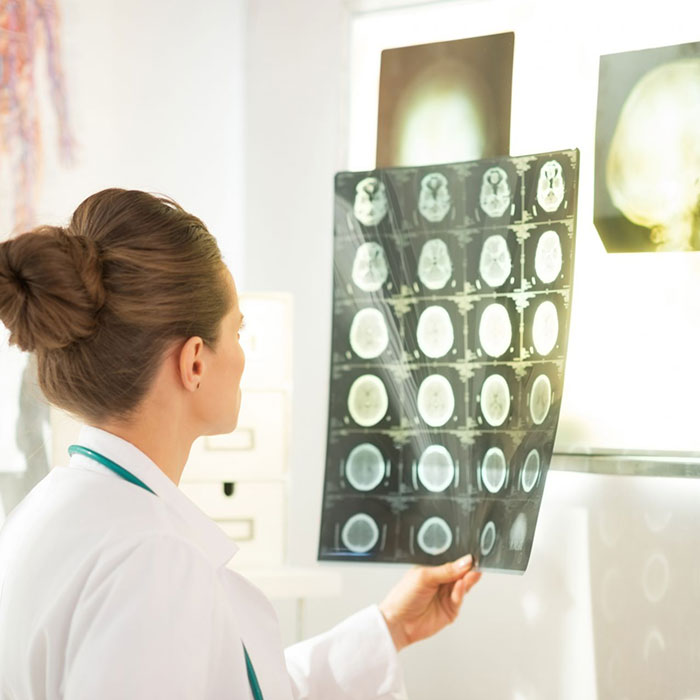
The neurologist specializes in the treatment of inflammatory, infectious, immunological and degenerative diseases of the central and peripheral nervous system and the cerebral circulation, as well as lesions resulting from nerve injury.

Within the framework of the neurology clinic, the specialist first interviews the patient about their current symptoms, previous illnesses, diseases in the family, and then reviews the previous findings, on the basis of which he establishes the medical history. The neurologist then performs condition assessment tests.
The neurologist checks the patient’s mental state and speech skills with simple questions, and with tasks that require minimal activity, they check the coordination of movement, gait, balance, muscle strength, vision, and other sensory functions. Finally, the neurologist also uses a reflex hammer to check the patient’s reflexes. These check-ups can be used to determine whether the complaint is of nervous system origin, and what additional tests are needed to make a diagnosis.
In order to find out the cause of the complaint, the neurologist can most often order modern imaging examinations (cranial MR, spinal MR, cranial CT, spinal CT, X-ray) or various electrophysiological examinations to examine the brain (electroencephalography, EEG), peripheral nerves (electron neurography, ENG) and the electrical function of the muscles (electromyography, EMG). Since certain diseases show genetic accumulation, laboratory tests may be required.
Informational content only The textual content published on this page is for general information purposes only and does not constitute medical advice, a diagnosis, or a treatment recommendation. Proper assessment, examination, and therapeutic decisions always require a personal medical consultation and, where appropriate, further specialist opinion. Medicare Egészségközpont Zrt. makes every reasonable effort to keep the content up to date; however, it accepts no liability for the completeness or accuracy of the information published or for consequences arising from decisions based on it.