app_localeMedicare honlap
Nyelvválasztás megjegyzése.
1 év
first-party

The science of renal internal medicine is nephrology, which deals with the functioning and disorders of the kidneys. Urology, on the other hand, includes diseases of the urinary system, the male genitals, and the kidneys (e.g., kidney stones, tumours) that require surgery.
Our colleagues are happy to help!
Our colleagues are happy to answer every question!
The nephrologist examines the functional abnormalities of the kidney (selective function).
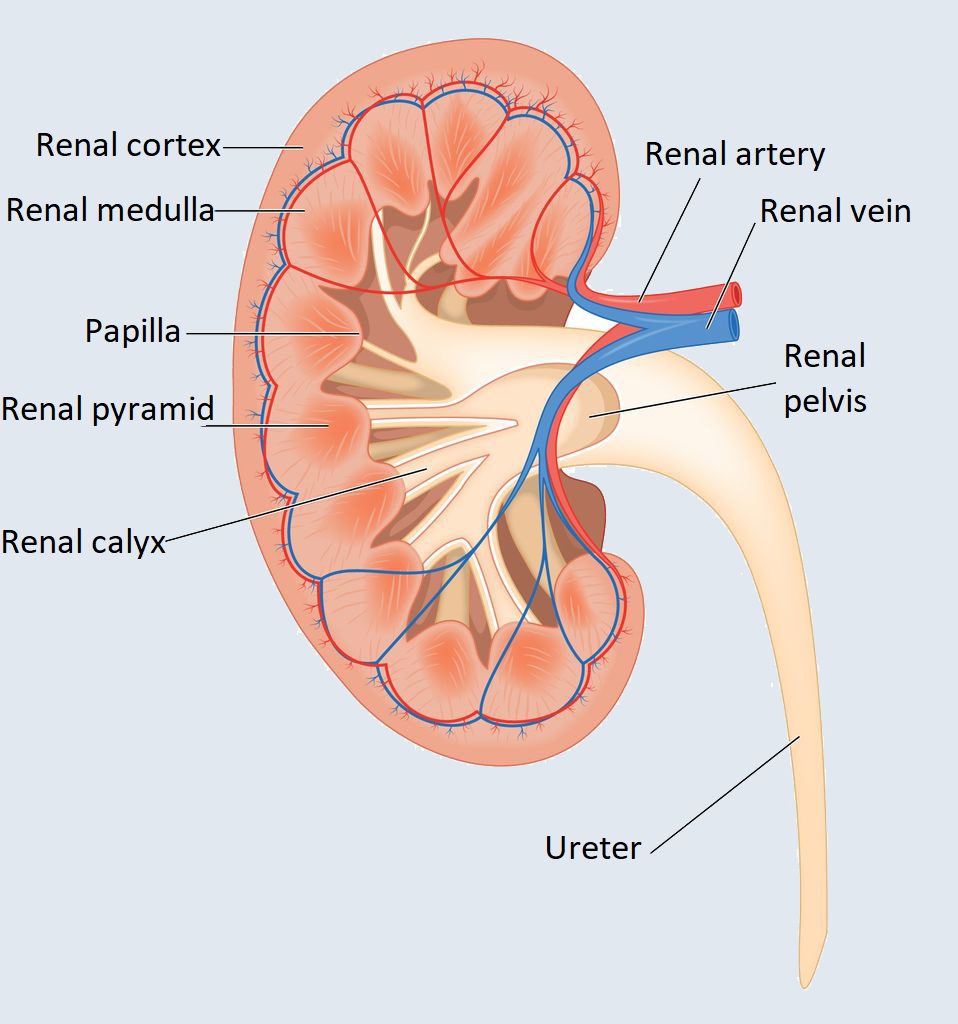
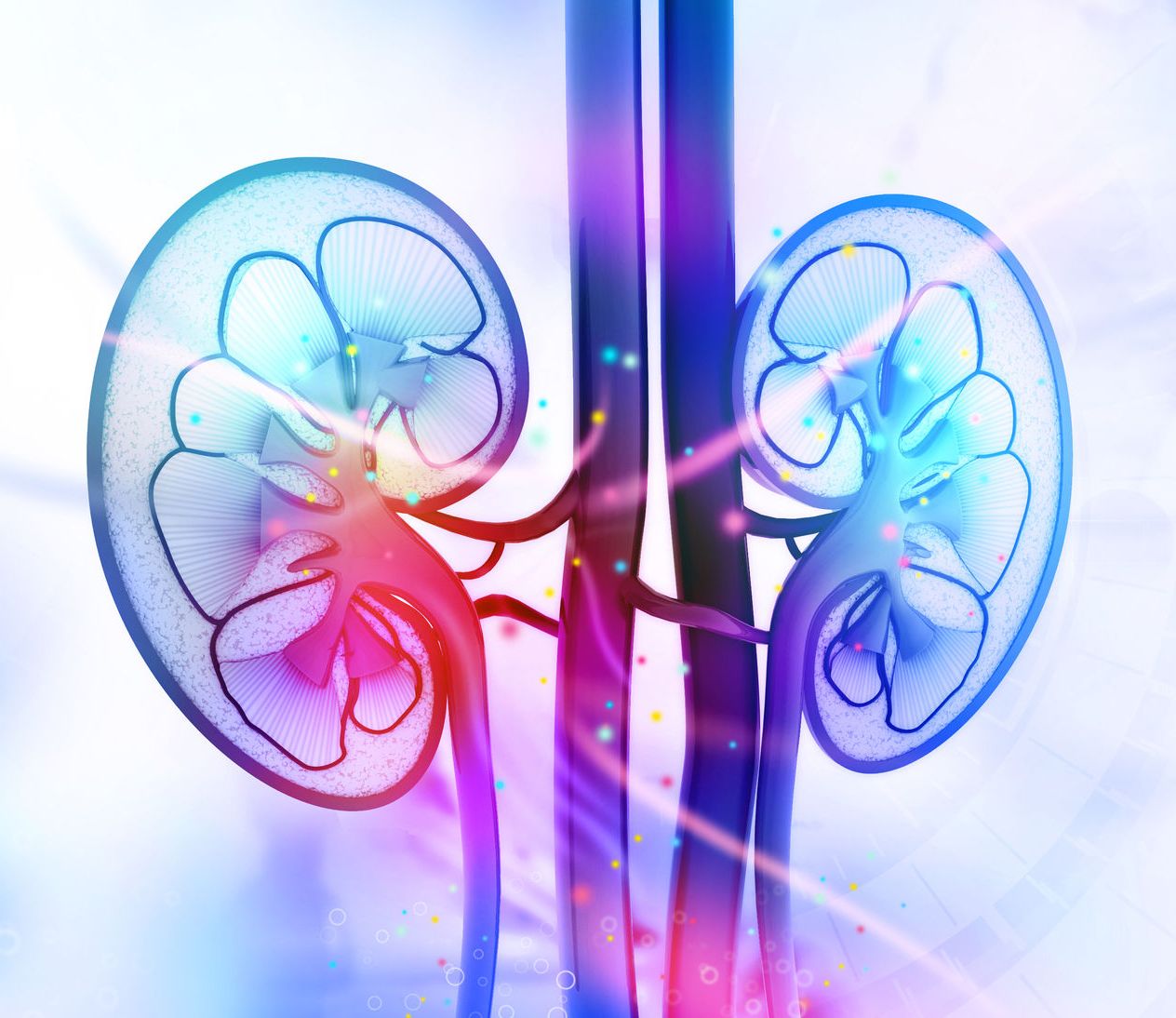
The kidney is a pair of bean-shaped organs located at the back, at about waist height, on either side of the spine. They measure 12 cm x 4 cm and weigh approx. 140 grams.
The kidneys of a healthy adult are smooth and bright brown in colour. It is surrounded on the outside by a three-layer connective tissue case. Below the outer cortex is the medulla. The filtered urine enters the renal pelvis from the collecting ducts and is then excreted from the body through the ureter, bladder, and urethra.
The kidney, according to its main functions, cleanses the blood, starts the production of red blood cells, selects the breakdown products, discharges toxins, produces hormones, and ensures the balance of fluid and mineral household.
Chronic kidney disease is often only indicated by abnormal results from urine and blood tests, as they do not initially cause complaints or produce any noticeable symptoms. In acute or advanced conditions, anaemia, weakness, nausea, too much or too little urine, or shortness of breath and high blood pressure may occur.
It is recommended to visit a nephrologist in the following cases:
The general urine test gives information about the composition of the urine, while blood test about the urea, creatinine and carbamide values. Ultrasound examination of the kidneys clearly shows the shape, size, glandular substance, renal vessels and the renal cavity system (renal pelvis, ureter).
Informational content only The textual content published on this page is for general information purposes only and does not constitute medical advice, a diagnosis, or a treatment recommendation. Proper assessment, examination, and therapeutic decisions always require a personal medical consultation and, where appropriate, further specialist opinion. Medicare Egészségközpont Zrt. makes every reasonable effort to keep the content up to date; however, it accepts no liability for the completeness or accuracy of the information published or for consequences arising from decisions based on it.