app_localeMedicare honlap
Nyelvválasztás megjegyzése.
1 év
first-party

Immunology examines the system that protects the body. The immunologist deals with problems related to the functioning of the immune system, examines its malfunction and disorders (autoimmune diseases).
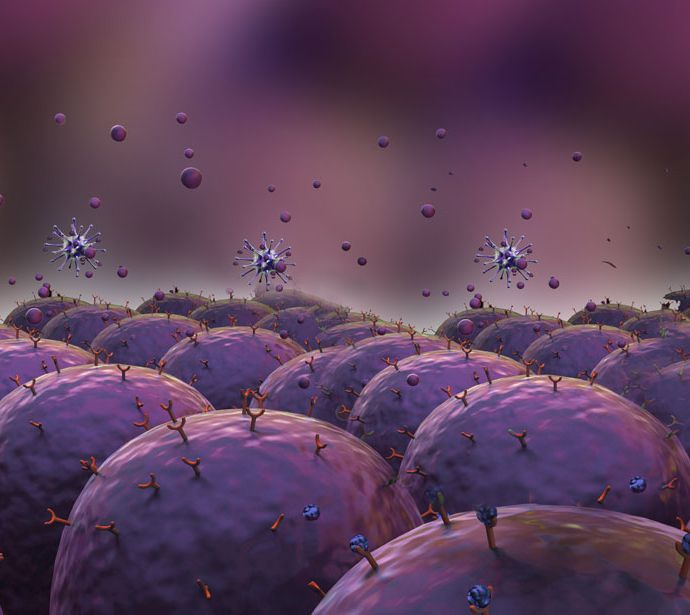
The immune system is nothing but the body’s defence mechanism. A group of cells, tissues, and organs that protect against infection by a particular antigen. An antigen is a substance in the body that triggers the production of antibodies, i.e. immune responses. The word immune means protection, exemption.
Our colleagues are happy to help!
Our colleagues are happy to answer every question!
In case of autoimmune diseases, the immune system does not recognize its own cells in the body. As a result, it activates its defence system in an unnatural way and attacks its healthy cells (produces antigens).

It is recommended to consult an immunologist in the following cases:
During the immunological consultation, after detailed examination of the patient and knowledge of their medical history (existing complaints, findings), the immunologist determines the tests to be performed. If the patient has already had a test to help diagnose complaints, only a laboratory test is recommended to help give a more complete picture of the inflammatory processes in the body based on the symptoms.
If necessary, a physical examination, chest X-ray, or abdominal ultrasound may be required after the consultation. A chest X-ray is needed for suspected pneumonia, while an abdominal ultrasound may be needed to assess the condition of the abdominal organs.
Informational content only The textual content published on this page is for general information purposes only and does not constitute medical advice, a diagnosis, or a treatment recommendation. Proper assessment, examination, and therapeutic decisions always require a personal medical consultation and, where appropriate, further specialist opinion. Medicare Egészségközpont Zrt. makes every reasonable effort to keep the content up to date; however, it accepts no liability for the completeness or accuracy of the information published or for consequences arising from decisions based on it.