app_localeMedicare honlap
Nyelvválasztás megjegyzése.
1 év
first-party

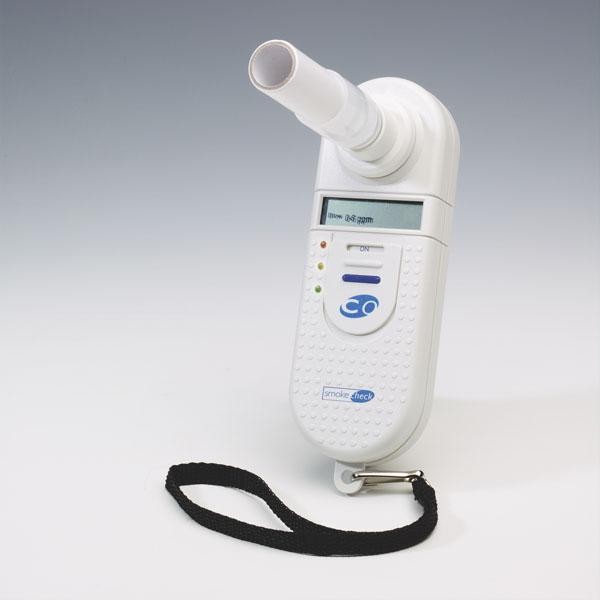
Hydrogen (H2) exhalation tests are gastroenterological tests that help make a diagnosis without device intervention, based on changes in the amount of hydrogen released in the patient’s exhaled air. Exhalation tests require the consumption of a special liquid containing lactose, fructose, or lactulose, which triggers a change in the composition of the exhaled air, which confirms the condition.
The hydrogen exhalation test can also be used to diagnose lactose sensitivity, small intestinal bacterial overgrowth syndrome (SIBO) caused by colon bacteria, and impaired fructose absorption.
Our colleagues are happy to help!
Our colleagues are happy to answer every question!

Lactose intolerance, also known as lactose sensitivity, is a condition in which the body is unable to digest lactose in the diet in the absence of the enzyme that breaks down lactose.
Lactose is a complex sugar that requires the enzyme lactase produced in the small intestine to break down the lactose molecule into simple sugars that the body can utilize.
Lactose intolerance is not really a disease, but an evolutionary state, as adult mammals no longer need to digest lactose. As a result, in humans, the production of the enzyme that breaks down lactose decreases significantly with age after the breastfeeding period, it is a result of a gene variant that it persists in some people.
A larger part of the Hungarian population can digest lactose, among the Hungarian population approx. 60-65% are lactose tolerant and 35-40% are lactose sensitive.
It is important to highlight that lactose sensitivity is not the same as food intolerance caused by lactalbumin. A separate laboratory package is available to investigate complaints after consuming milk, including lactalbumin allergy and food intolerance. However, complaints require a gastroenterological examination in all cases, you should avoid self-diagnosis because the symptoms can be caused by several diseases.
The diagnosis of lactose sensitivity is most often made with the H2 breath test, during which the hydrogen content of the air exhaled by the patient is examined at certain intervals after consuming a lactose-containing beverage. In the case of lactose sensitivity, after consuming lactose, the hydrogen content of the exhaled air increases significantly, as the lactose, which is broken down in the intestine, produces hydrogen gas, part of which is absorbed into the bloodstream and exhaled through the lungs.

The lactulose hydrogen exhalation test is used to detect the presence of bacteria from the colon that have abnormally multiplied in the small intestine. This condition is known as small intestinal bacterial overgrowth syndrome (SIBO), which is associated with bloating, abdominal pain, diarrhoea, constipation, and early fullness.
Bacteria that enter the small intestine break down undigested carbohydrates, resulting in the production of hydrogen and methane gas, which also becomes measurable in exhaled air.
The fructose hydrogen exhalation test can be used to examine fructose malabsorption. As a result of the malabsorption, fructose enters the colon in undigested form, where it begins to ferment, leading to increased gas production. This causes unpleasant abdominal symptoms (bloating, diarrhoea cramps).
Informational content only The textual content published on this page is for general information purposes only and does not constitute medical advice, a diagnosis, or a treatment recommendation. Proper assessment, examination, and therapeutic decisions always require a personal medical consultation and, where appropriate, further specialist opinion. Medicare Egészségközpont Zrt. makes every reasonable effort to keep the content up to date; however, it accepts no liability for the completeness or accuracy of the information published or for consequences arising from decisions based on it.