app_localeMedicare honlap
Nyelvválasztás megjegyzése.
1 év
first-party

Hepatology is a medical specialty that deals with the functioning of the liver, its diseases and their related treatment methods. The liver is one of the most important organs of the human body, which performs many basic functions, such as regulation of metabolic processes, production and storage of vital substances, and removal of toxins. The practitioner of this field of science is the hepatologist, which in Hungary can be a gastroenterologist or an infectologist experienced in the treatment of liver diseases.
Our colleagues are happy to help!
Our colleagues are happy to answer every question!
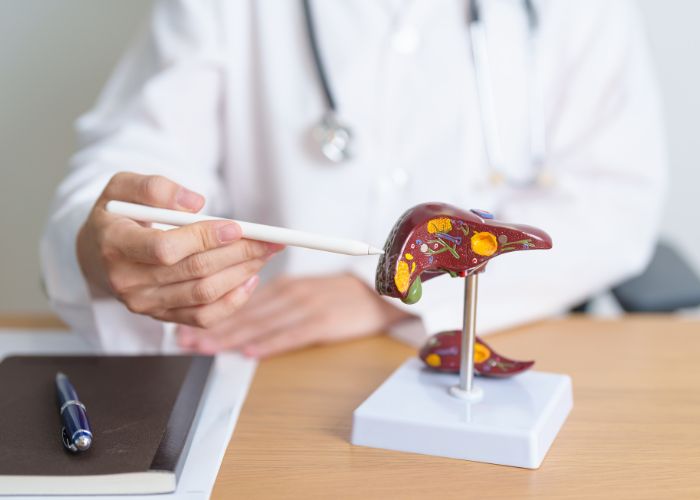
Liver diseases can often remain symptom-free for years, which is why their early recognition is extremely important to avoid the worsening of the liver disease and the development of later complications.
Primarily, it is worth considering liver disease in the following cases:
A hepatologist can help diagnose and treat the following liver diseases:
During the first consultation, the hepatologist takes the anamnesis: they ask questions about previous illnesses, medications taken, lifestyle factors and current complaints. The hepatologist reviews previous test results. After that, they perform a physical examination and examine the patient’s abdomen by palpation. After the primary tests, the specialist will determine what further tests will be needed.
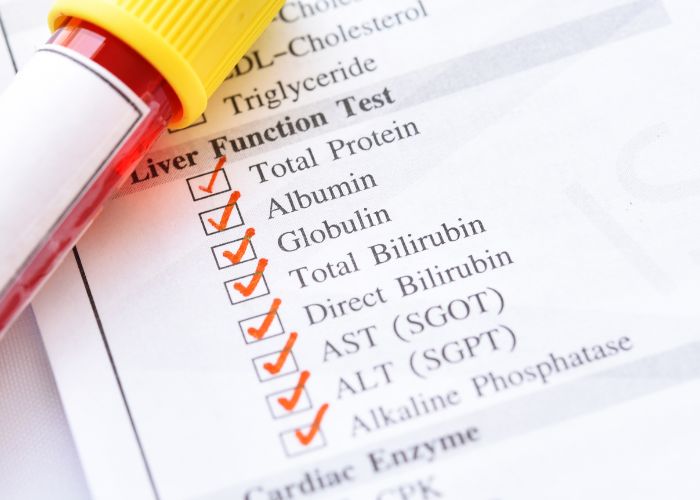
A wide range of hepatological examinations is available at our clinics.
Tests requiring blood sampling:
Imaging examinations:
In some cases, a gastroenterological endoscopy is required (gastroscopy or colonoscopy), which is also available at Medicare.
There is no medical specialty in which dietary and lifestyle changes are not important, we place special emphasis on this during liver diseases, with the involvement of a dietitian if necessary. In addition, drug treatment and, in rarer cases, surgical intervention may become necessary.
Informational content only The textual content published on this page is for general information purposes only and does not constitute medical advice, a diagnosis, or a treatment recommendation. Proper assessment, examination, and therapeutic decisions always require a personal medical consultation and, where appropriate, further specialist opinion. Medicare Egészségközpont Zrt. makes every reasonable effort to keep the content up to date; however, it accepts no liability for the completeness or accuracy of the information published or for consequences arising from decisions based on it.