app_localeMedicare honlap
Nyelvválasztás megjegyzése.
1 év
first-party

Erythrocyte sedimentation rate (ESR) is a simple blood test that indicates pathological processes in the body (infection, inflammation, tumour) and can help monitor their course.
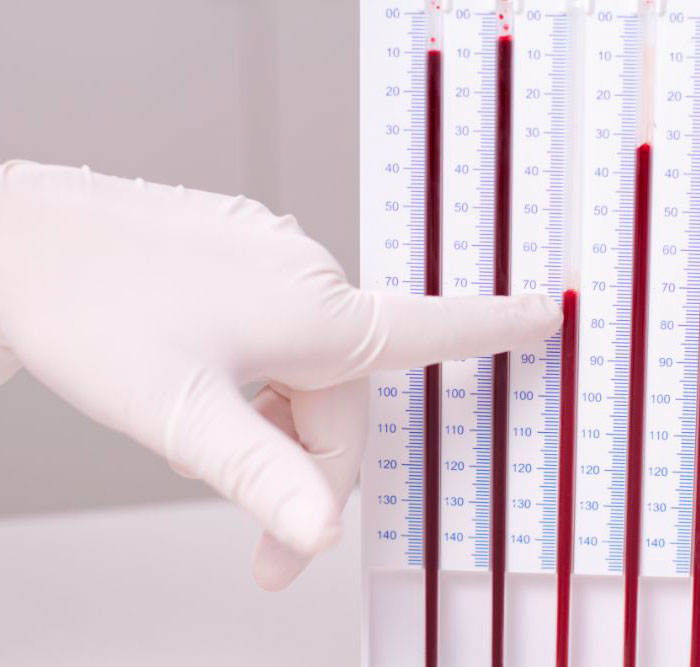
By determining ESR, we can get information about the pathological processes present in the body, chronic and acute inflammation, infection, and can help diagnose autoimmune diseases and tumours.
It is not a specific test, its abnormal value does not indicate a specific disease, the exact cause of the inflammation, or the affected organ, it only indicates its existence. For this reason, it is used in together with other tests.
Normal values of sedimentation are determined separately for women and men and for those aged 50 and over. In case of women, the value is slightly higher, and during menstruation or pregnancy it is typically characterized by a temporary increase.
Your doctor will order an ESR test to check for the presence of inflammation or infection with other blood tests to help determine the exact cause.
A blood sample taken from a vein is needed to perform the test.
The result contains the value of ESR, the numerical value of which may vary from laboratory to laboratory, depending on the test method used, and may thus be considered normal, elevated or low. For this reason, and since it is not a specific test, never compare it with values found on the Internet, and in any case, consult the doctor who ordered the test, as the value can be interpreted with other tests.
Its elevated value indicates inflammation, infection in the body, and supports the diagnosis of certain autoimmune diseases. The value may also be elevated in case of hyperthyroidism, anaemia, pregnancy, or chronic kidney disease.
Low values can have a number of harmless causes but can also be caused by high red blood cell counts (polycythaemia), heart problems, or sickle cell anaemia.
Since the erythrocyte sedimentation test is not a specific test and does not make a diagnosis on its own, always consult your treating physician with the result to evaluate the finding and determine the required therapy.
Informational content only The textual content published on this page is for general information purposes only and does not constitute medical advice, a diagnosis, or a treatment recommendation. Proper assessment, examination, and therapeutic decisions always require a personal medical consultation and, where appropriate, further specialist opinion. Medicare Egészségközpont Zrt. makes every reasonable effort to keep the content up to date; however, it accepts no liability for the completeness or accuracy of the information published or for consequences arising from decisions based on it.