app_localeMedicare honlap
Nyelvválasztás megjegyzése.
1 év
first-party

In addition to triglycerides, cholesterol is a fat-like compound that makes up blood lipids. It is vital for almost every cell in the body: it is involved in the structure of the cell membrane, the synthesis of hormones, and the production of bile acids that help absorb nutrients.
Most of the cholesterol in the body is produced by the liver, but significant amounts can also enter the body with food. Excessive amounts of cholesterol in the blood are a high risk factors for cardiovascular disease, as they form plaques in the walls of the blood vessels, which can lead to atherosclerosis or thrombosis by blocking a narrowed artery, heart attack, or stroke.
Cholesterol is a hydrophobic (water-repellent) molecule, so it is transported in the body by lipoproteins, which encapsulate the molecule in a hydrophilic sheath, separating it from the aqueous environment of the blood plasma. We distinguish between low-density (LDL) and high-density (HDL) lipoproteins, which are involved in the transport of cholesterol in the body.
The total amount of low-density lipoprotein (LDL) and high-density lipoprotein (HDL) present in blood serum and their relative proportions are shown by the total cholesterol or serum cholesterol test.
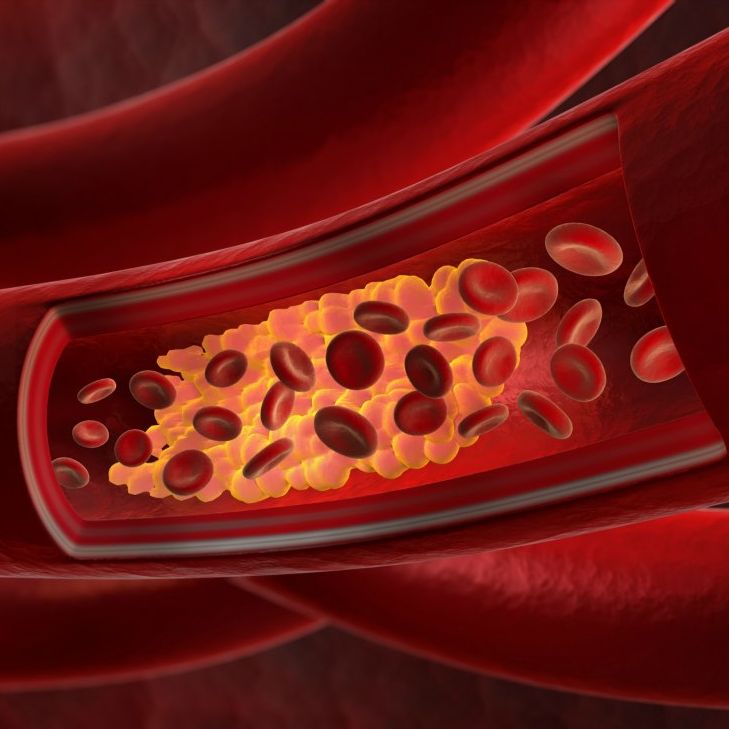
Cholesterol levels are most often ordered as part of a so-called lipid profile test, in addition to HDL, LDL cholesterol and triglyceride tests. It is often part of a general condition assessment or screening test.
If the family has a history of cardiovascular disease, regular monitoring of cholesterol levels is recommended, as predisposition to these diseases can be inherited and the risk of myocardial infarction and thrombosis can be ruled out in time. Lifestyle changes can reduce risk and prevent them from developing.
A blood sample taken from a vein is needed to perform the test.
Having an empty stomach is not required prior to testing.
Elevated cholesterol levels increase the risk of cardiovascular disease, which can be divided into 3 risk groups based on the increase in value:
Triglyceride levels should also be considered in evaluating laboratory findings in this case, as lifestyle changes are particularly important if both are elevated.
High cholesterol can also be caused by unhealthy lifestyle (eating foods rich in saturated fatty acids, lack of exercise), other illnesses (such as diabetes, thyroid problems, or liver disease), and taking certain medications (such as beta-blockers, epinephrine, birth control pills).
Cholesterol levels also rise during pregnancy.
Low cholesterol can also be caused by liver diseases, malnutrition, certain infectious diseases, and hyperthyroidism.
The value in the finding in itself does not constitute a diagnosis or a risk classification for the development of cardiovascular diseases. To evaluate the results, always consult the doctor who ordered the test, who will recommend appropriate therapy or supplementary diet if necessary, as well as provide lifestyle advice.
Informational content only The textual content published on this page is for general information purposes only and does not constitute medical advice, a diagnosis, or a treatment recommendation. Proper assessment, examination, and therapeutic decisions always require a personal medical consultation and, where appropriate, further specialist opinion. Medicare Egészségközpont Zrt. makes every reasonable effort to keep the content up to date; however, it accepts no liability for the completeness or accuracy of the information published or for consequences arising from decisions based on it.