app_localeMedicare honlap
Nyelvválasztás megjegyzése.
1 év
first-party

Calcium is an essential mineral for the human body, it makes up the strength of bones and teeth. It is crucial for normal nerve and muscle function, affects the activity of many enzymes, and plays a key role in the signalling system of cells. In addition, it is responsible for the proper functioning of the heart and immune system, and for blood clotting. The average adult has 1-2 kg of calcium, about 98% of which is stored in the skeletal system, and the remaining percentage circulates in the cells of soft tissues and non-tissue fluid, the blood.
For all of these functions to work in harmony, the blood must maintain this constant few percent. However, if age-appropriate calcium intake is not provided or is not sufficiently absorbed, or if excretion through the kidneys and intestines is excessive, the body will remove the required amount of calcium from the bone stores. This can lead to osteoporosis over time
The test shows how much calcium is excreted from the body, so the test can be used as a screening test to diagnose and monitor certain conditions. A sample taken from the blood helps determine free and bound forms of total calcium, and a sample taken from urine shows how much calcium is excreted through the kidneys.
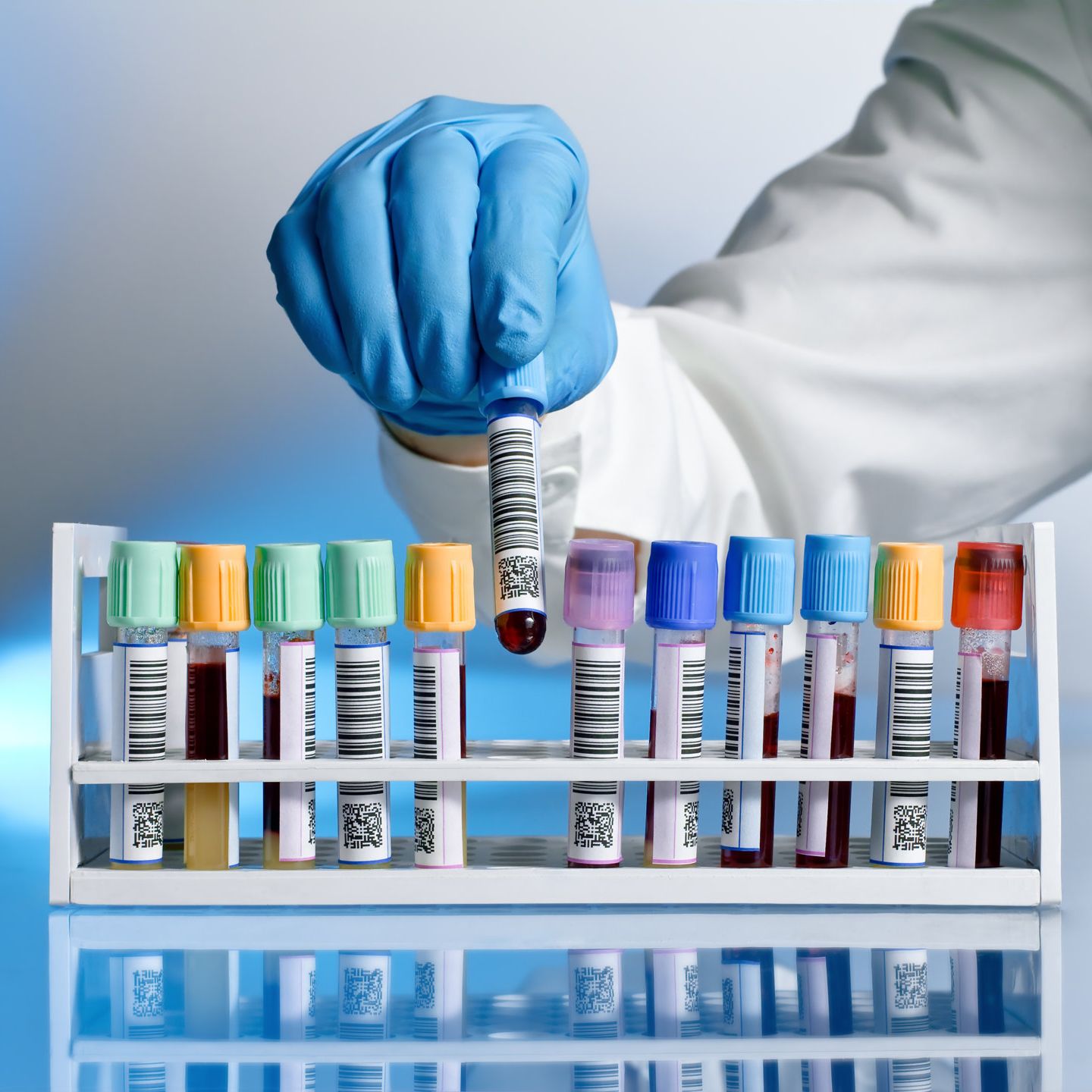
Your doctor may ask you to have your calcium levels determined for several reasons:
A blood sample taken from a vein is needed for the test. If necessary, a urine sample should be given in the amount and frequency prescribed by your doctor, be it spontaneous or collected urine.
Determining calcium levels alone is not enough to make a certain diagnosis, it is necessary to examine several items together. If your calcium level is abnormal, it may be a sign of a problem in the first place. Additional tests, which may include magnesium, vitamin D, phosphorus, and parathyroid hormone (PTH), can determine if the thyroid gland is working properly, if the kidneys are excreting the right amount of calcium, and what the balance is like between the above mentioned minerals and calcium.
High total calcium (hypercalcaemia):
Low levels of total calcium (hypocalcaemia):
The test alone cannot diagnose any diseases, and in all cases consult an internist or haematologist to determine the exact diagnosis and required therapy.
Informational content only The textual content published on this page is for general information purposes only and does not constitute medical advice, a diagnosis, or a treatment recommendation. Proper assessment, examination, and therapeutic decisions always require a personal medical consultation and, where appropriate, further specialist opinion. Medicare Egészségközpont Zrt. makes every reasonable effort to keep the content up to date; however, it accepts no liability for the completeness or accuracy of the information published or for consequences arising from decisions based on it.